Discoverers / Voyagers
What's been happening in Discoverers/Voyagers.
Discoverers/Voyagers
Doods Performance
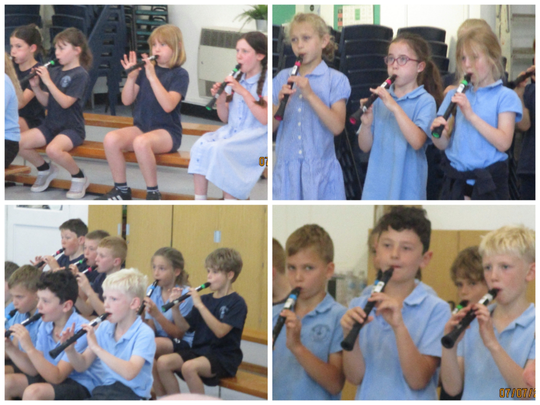
Year 4 in Voyagers and Discoverers treated their families to a special musical experience this week!
All the hard work, including notation reading, collaboration and the ability to perform to an audience that the children have been showing in lessons, was on display in an amazing performance to parents and carers. The confidence and skills demonstrated by Year 4 were wonderful to see and it was enjoyed by everyone! Super job Voyagers and Discoverers!
Super Statistics!
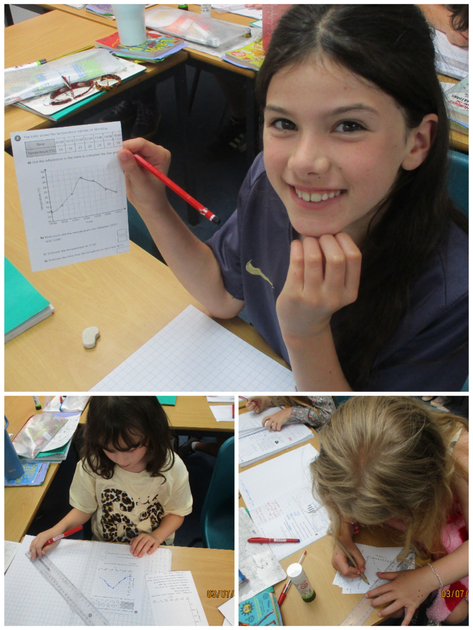
Voyagers and Discoverers are finding out all about mathematical information conveyed in the form of pictograms, bar charts and line graphs.
Children are looking at and interpreting information to find answers to questions and will also present information as bar charts and pictogram. With their reasoning skills they have developed this year, everyone will then have a go at exploring and creating further questioning about the data. We are all looking forward to drawing our own pictograms and line graphs to showcase our wonderful learning. Great job Years 3 and 4!
Incredible prototype creators
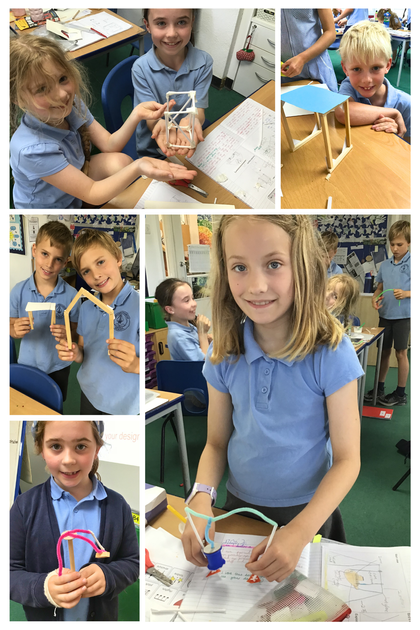
Discoverers' and Voyagers' classrooms transformed into a bustling design studios this week as the children took complete control in starting to create miniature playground apparatus prototypes.
It was fantastic to see our young builders apply their past lessons with incredible confidence, making independent decisions at every stage of construction after revisiting previous skills and watching video clips of other prototypes as inspiration. They carefully selected materials like cardboard, dowels, and string based on structural needs, and independently chose the best joining techniques, skillfully switching between tape, glue guns, and reinforcement triangles. They also measured and cut components accurately as part of our focus on sustainability at Bishops and not wasting materials.
We are incredibly proud of their teamwork, resilience and problem solving. Well done everyone and we can't wait to see the finished products.
Wonderful writing!
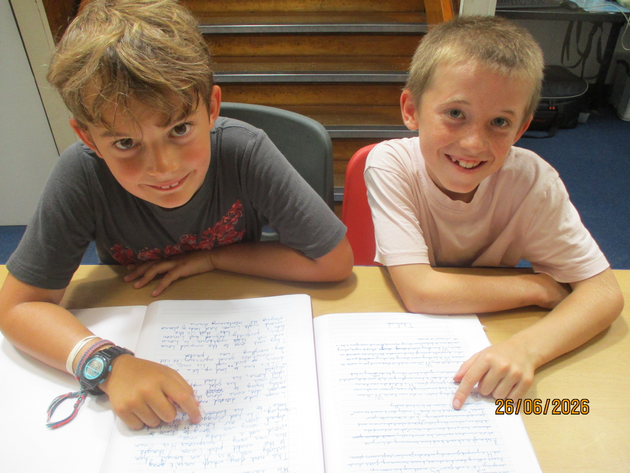
Voyagers and Discoverers have been creating their own versions of 'The Blue House' by Phoebe Wahl.
Children listened to the story, shared ideas and generated adventurous vocabulary about the text. Years 3 and 4 have done an amazing job to adapt the text and craft their own version of what it really means to have a valued, safe home where happy memories can be made, adding brilliantly to their work on 'Love Where You Live'. The use of description and dialogue in the stories is incredibly impressive and everyone is very proud of their work! What talented and imaginative writers we have at Bishop!
Seasonal food tasting and dish creating
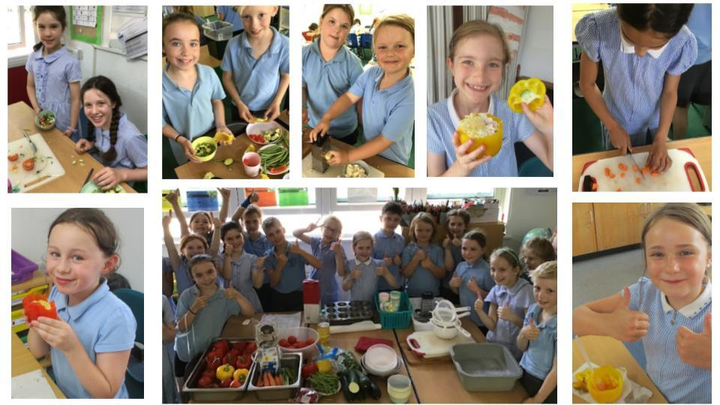
Discoverers and Voyagers enjoyed a fun food lessons this week all about seasonal vegetables and even got to make a seasonal based dish of their own!
They learnt about different vegetables that are grown throughout the year and discussed the benefits of eating seasonal produce as well as the challenges faced in only trying to eat seasonal foods.
Then, the children tasted a variety of vegetables, using their senses to describe the flavours and textures. After this, they made their own stuffed peppers, choosing vegetables to create a tasty filling.They developed their cutting, grating and mixing skills. We were incredibly impressed by how the children were all happy to try new foods and some even discovered new foods they like!
Once cooked, the children enjoyed eating their creations and evaluated them, thinking about what worked well and what they might change next time. It was a fantastic opportunity to develop their cooking skills, try new foods, and learn more about the fantastic seasonal food we can grow. You may even spot some growing outside Discoverers classroom.
Well done Voyagers and Discoverers. We were incredibly impressed by; your willingness to try different foods, your kindness when sharing equipment and how well you followed instructions. Maybe you could now teach your families how to cook these dishes!
Exploring maps of Bishopsteignton
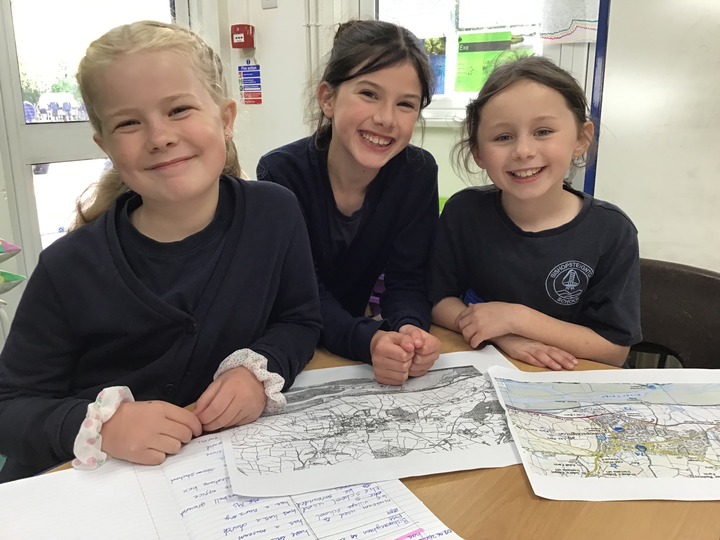
As part of our topic 'Love where you live', Voyagers and Discoverers have been comparing maps from over a 100 years ago with maps of today to discover how our village has changed over time.
By using a range of geographical skills, they studied map symbols, keys and features to identify similarities and differences. We used printed maps as well as digital maps to be able to zoom in to see symbols closer.
The children explored both human geography, such as houses, roads and buildings, and physical geography, including fields, rivers and woodland. They discussed how and why the village has developed while considering which natural features have remained the same and why some have changed.
This exciting investigation helped children develop their map-reading, observation and enquiry skills while gaining a deeper understanding of their local area. It was great to see the curiosity of the children and the higher level questioning in this lesson. We certainly discussed and learn a lot about Bishopsteignton.
Terrific Time Telling!
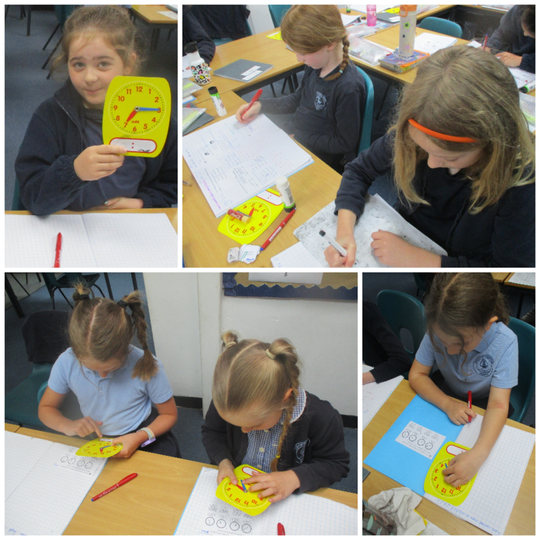
Voyagers and Discoverers are becoming experts at telling the time in our Maths lessons.
Lots of practical work with analogue clocks (including drawing hands accurately on clock faces), has been carried out to consolidate our learning. We are also comparing times, such as second, minute and hour, to estimate and answer questions like 'how many push ups could you do in 30 seconds, in a minute or in five minutes?' How many do you think you could manage?
After this, we will move onto digital times, mastering use of the 24 hour clock and tackling word problems to enhance our understanding of these concepts. Fantastic enquiry skills have been shown in lessons, with super collaborative work from everyone. Great job Years 3 and 4!
Science - Plants
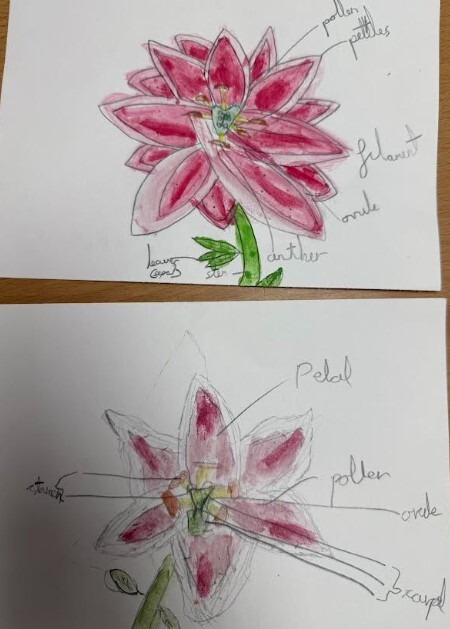
In Voyagers and Discoverers, the children were introduced to their new Science topic: Plants.
The lesson began with a mystery-guessing game in which the children used a series of clues to identify a hidden object. After some excellent detective work, they correctly guessed that the mystery object was a flower! This led to a discussion about what they already knew about flowers and their importance in nature.
The children learnt that flowers are not only beautiful but also play an important role in helping plants reproduce and grow new plants. They then carefully observed real flowers and recorded their findings through detailed drawings, paintings, and annotations, describing features such as petals, leaves, stems, and the central parts of the flower.
The children showed great curiosity and enthusiasm throughout the lesson, developing their observational skills and producing some fantastic scientific artwork. We look forward to building on this learning as we continue exploring the fascinating world of plants.
Exploring and designing playground equipment
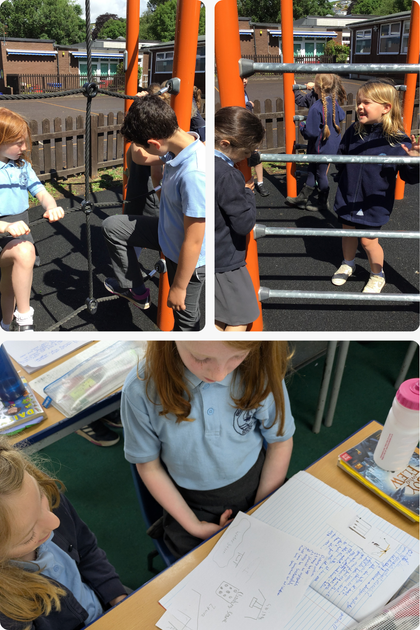
Voyagers and Discoverers recently started an exciting Design and Technology project as part of our topic ‘Love where you live’, exploring playground equipment and discussing what makes a successful play area.
To begin their learning, the children looked at a variety of playground structures, carefully considering the positives and negatives. They discussed important factors such as safety, enjoyment, accessibility, and durability, thinking about what children of different ages might want from a playground. Also, as part of their research, pupils looked at a range of existing playground apparatus. They discussed different features and identified parts they thought would be effective in their own designs.
Working collaboratively in pairs and small groups, the children then began the exciting process of designing their own playgrounds. Using the knowledge gained through their research, they sketched initial ideas, discussed their plans, and worked together to create imaginative and practical designs.
We were incredibly impressed by the children's creativity, teamwork, and thoughtful decision-making throughout the project. We look forward to seeing how their playground ideas continue to develop over this term!
Year 4 Forest and Beach
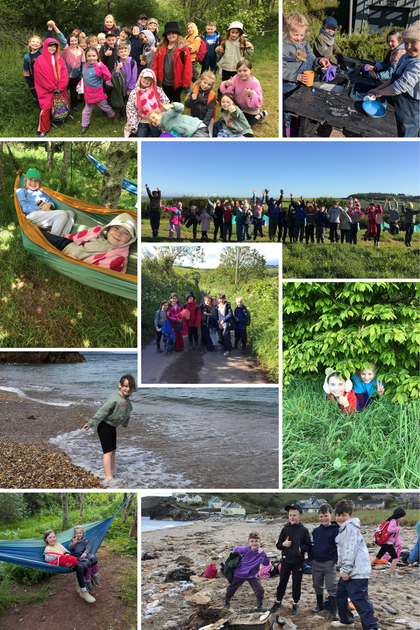
Year 4 were truly fantastic during the residential and so much was experienced in the 2 days. We are sure that they have told you all about it, but we wished to share some pictures that capture their time.
We truely experienced every kind of weather from chilly mornings, dramatic downpours and moments of glorious sunshine. Despite the changing conditions, the energy, teamwork and smiles never faded.
Many activities took place developing knowledge and skills. From testing our aim in archery, taking parts in a bat walk (no bats seen but a satellite spotted), enjoying beach time with endless stone building and stone skimming, every moment encouraged children to step outside their comfort zone and support each other.
Surrounded by nature, the children showed incredible independence, teamwork and resilience throughout the trip. Whether supporting one another creatively or simply appreciating the outdoors, they made us all proud.
Please visit class website page (Our Community- Discoverers/Voyagers) to see more images attached
Ecosystem experts
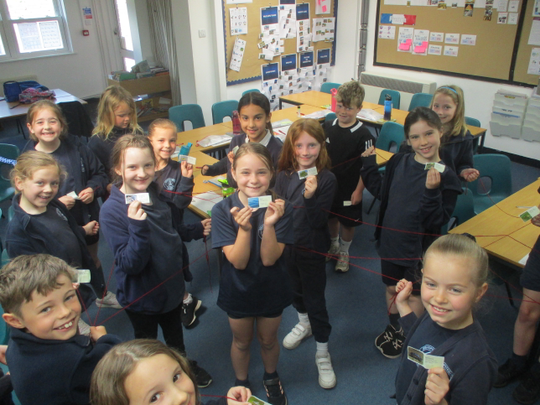
Voyagers and Discoverers in Year 3 have been learning all about ecosystems.
Ecosystems are communities of living and non living things in an environment. They can include animals and plants as well as water and soil. Year 3 played a game to show the interconnectivity of such systems and how interdependent each part is. Everyone was fascinated to see the effects of the loss of just one connection. The curiosity, reflection and enquiry skills of all of Year 3 was incredibly impressive. What a team!
Nature collages
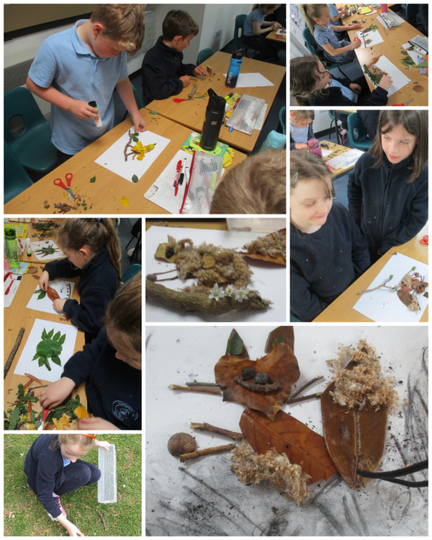
Year 3 have been busy investigating animals by creating natural collages this week.
As part of our approach to our current topic, fantastic creativity was evident in the enthusiastic approach to representing animals in collage form. Children gathered their own materials - whilst being mindful of caring for the local environment - to represent the characteristics of mammals, birds and insects. What talented artists and thoughtful planet protectors we have at Bishop! Great job Year 3!
Superb online branching database creators
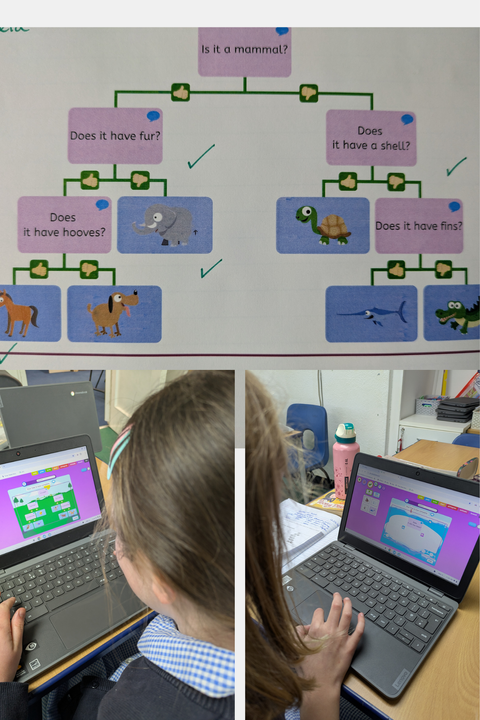
This week, in Computing, Voyagers and Discoverers developed their computing skills by creating an online branching database.
We were really impressed with how considerate the children explored the definite attributes of objects and used yes/no questions to sort and classify information digitally. They thought carefully about their questions and persevered to resolve any errors. Great group and paired learning all around.
Throughout the learning, the children used important computational thinking skills including decomposition, tinkering, debugging and collaboration. They tested ideas, corrected mistakes, and worked together to create effective classification systems. This linked to their science learning on classifying animals, where they applied their knowledge of animal groups and characteristics.
Art
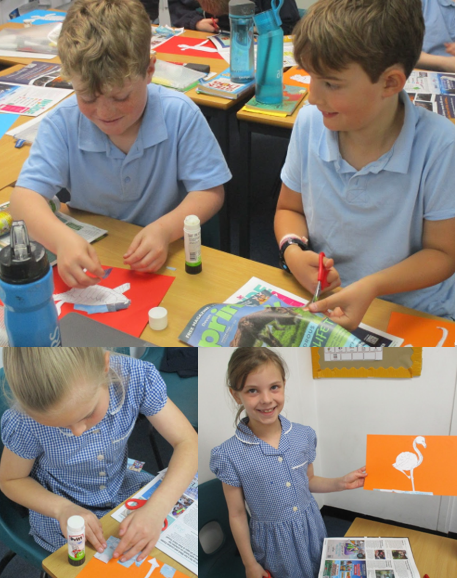
The children explored how Megan Coyle creates detailed animal collages entirely from strips of magazine paper. We looked at the different stages of her creative process, including how she begins with a sketch before building layers of colour, texture and detail using carefully selected pieces of paper. The children were fascinated to see how her artwork develops step by step from a simple drawing into a vibrant finished collage.
After the exploration part of the lesson, the children looked through magazine pages and collected different shades and colours that they would like to use for their chosen animal. They thought carefully about textures, tones and patterns that would help bring their artwork to life.
We are very excited to begin creating our own animal collages over the next few lessons!
Classification Champions!
Learning about Pentecost
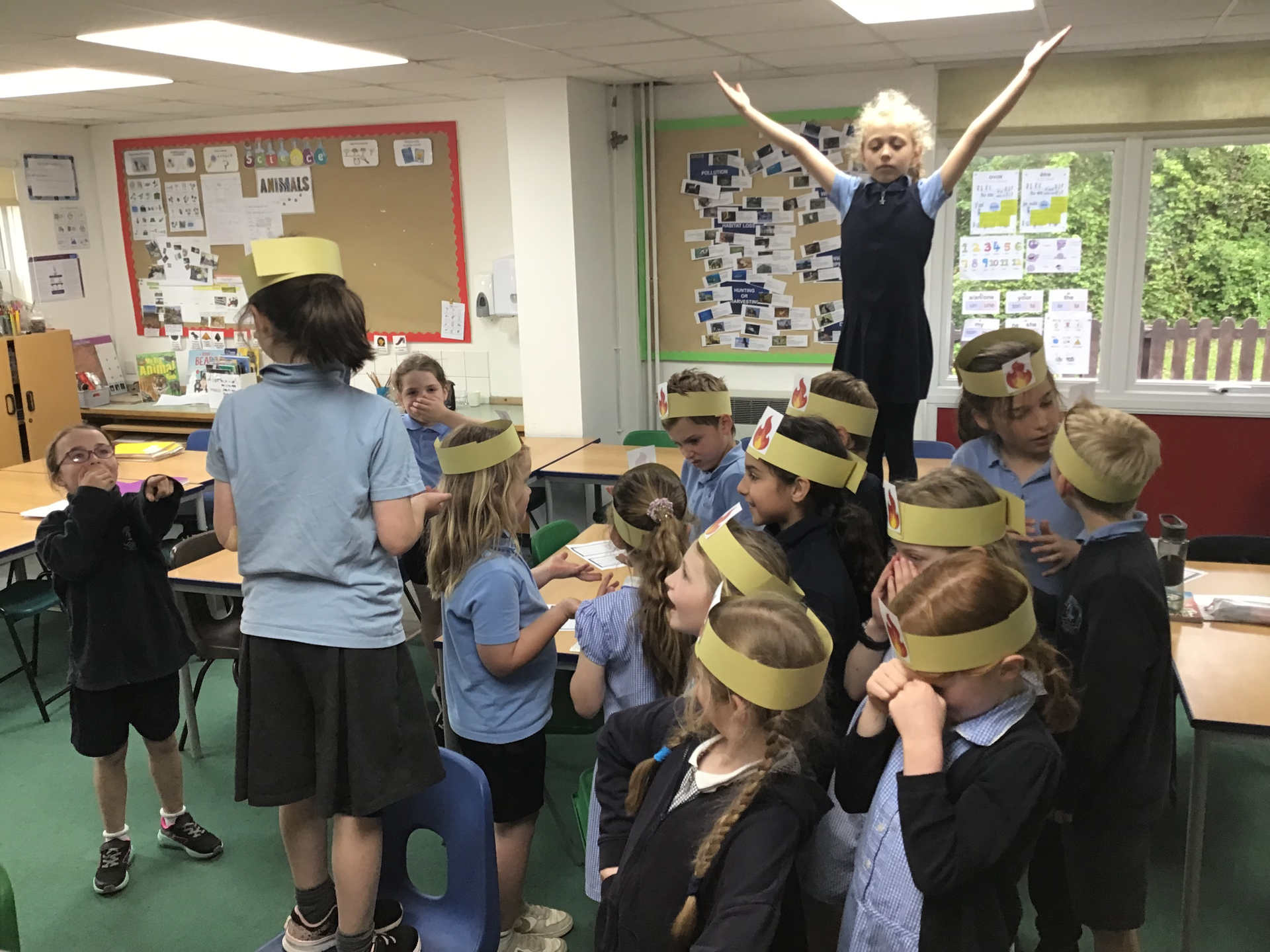
The children have been diving into the dramatic events of Pentecost, often celebrated as the "birthday of the Church". We began with a shared reading of some Acts. We discussed the mixed emotions the Apostles must have felt—moving from confusion and waiting to sudden, overwhelming joy. The children created a freeze frames of key events and we continued to explore different emotions of people. The children shared their thoughts on the Pentecost and asked fantastic questions to develop their understanding. Great discussion and being respectful of other's beliefs and opinions Voyagers and Discoverers.
Delightful Doods!
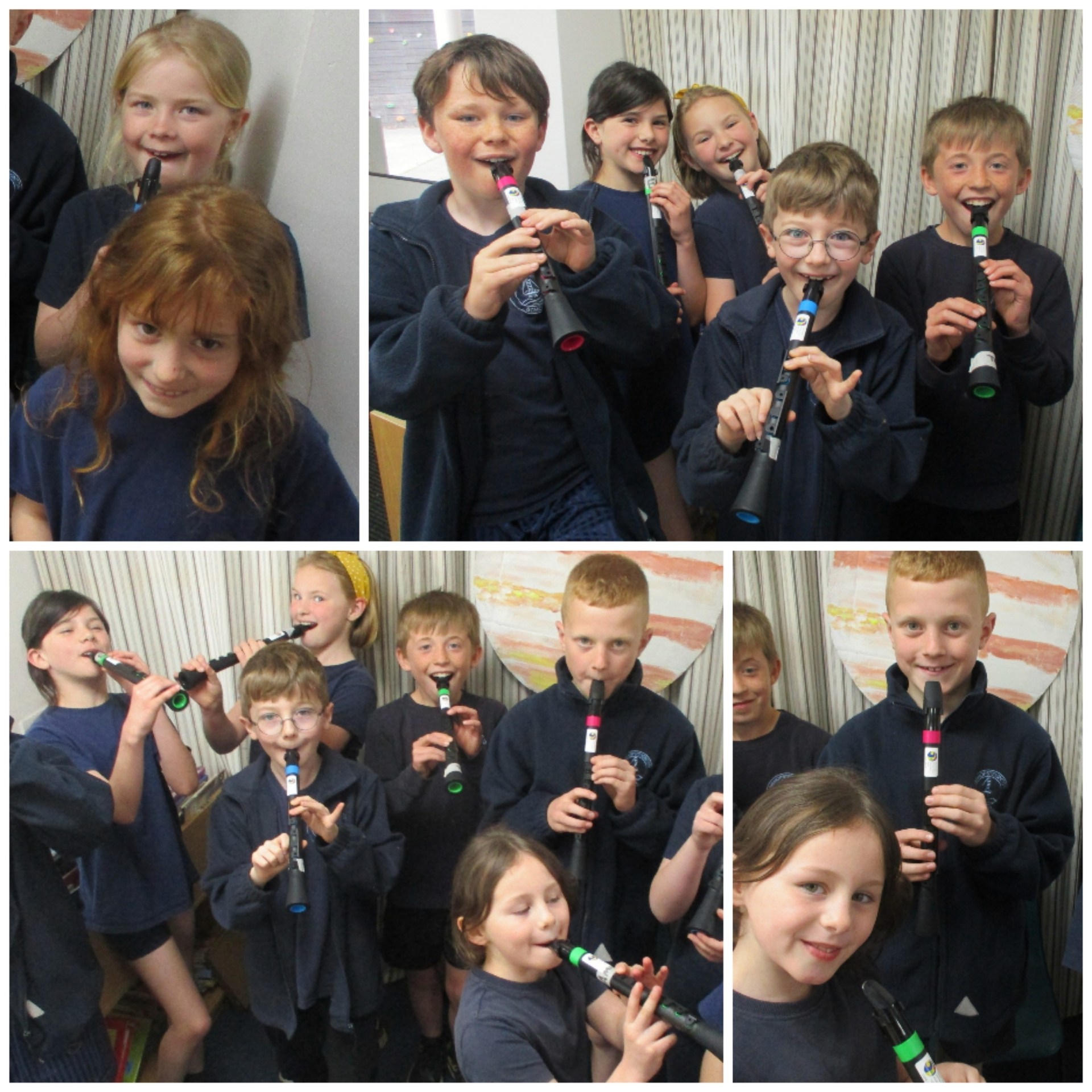
Amazing Animals!
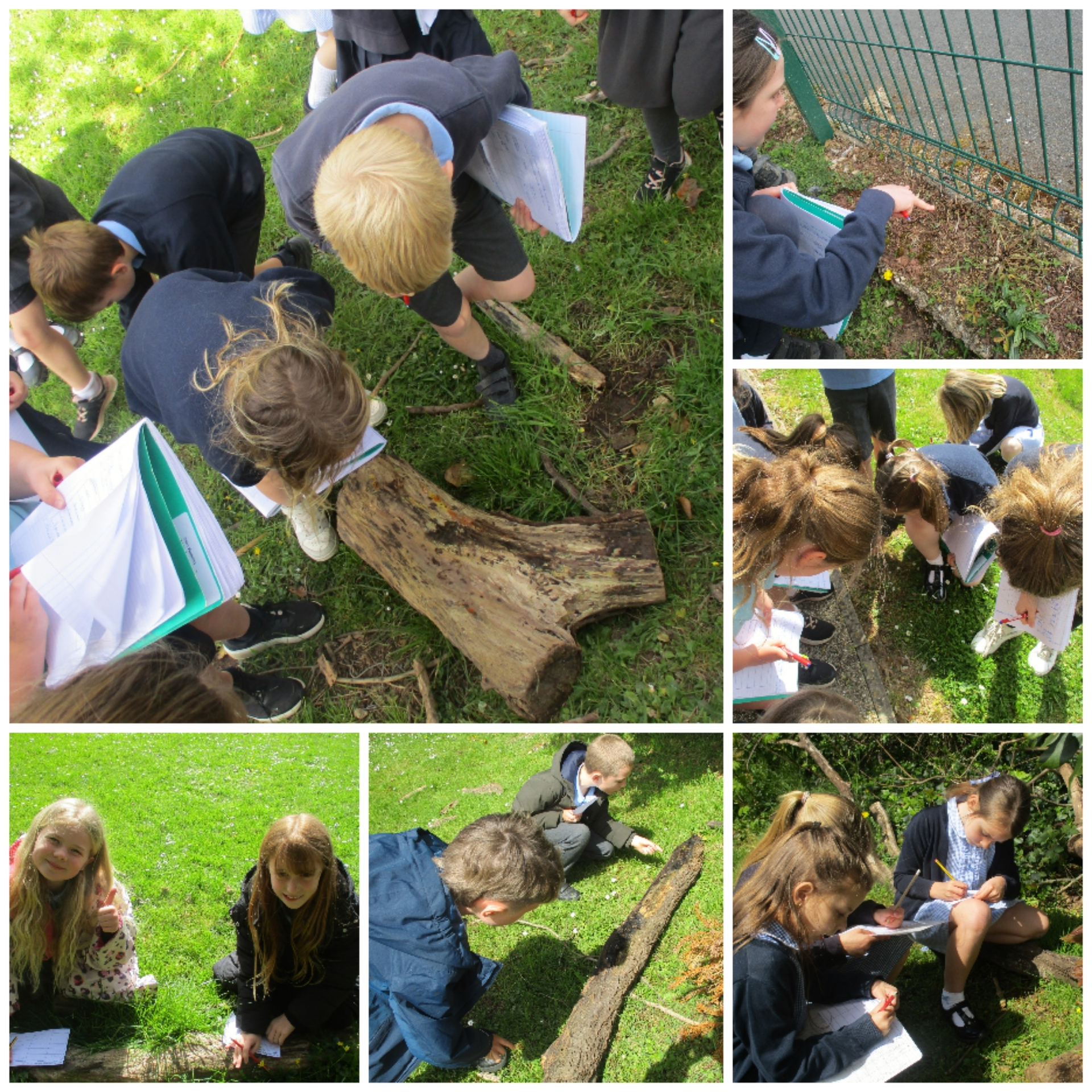
Abstract Sculptures inspired by nature
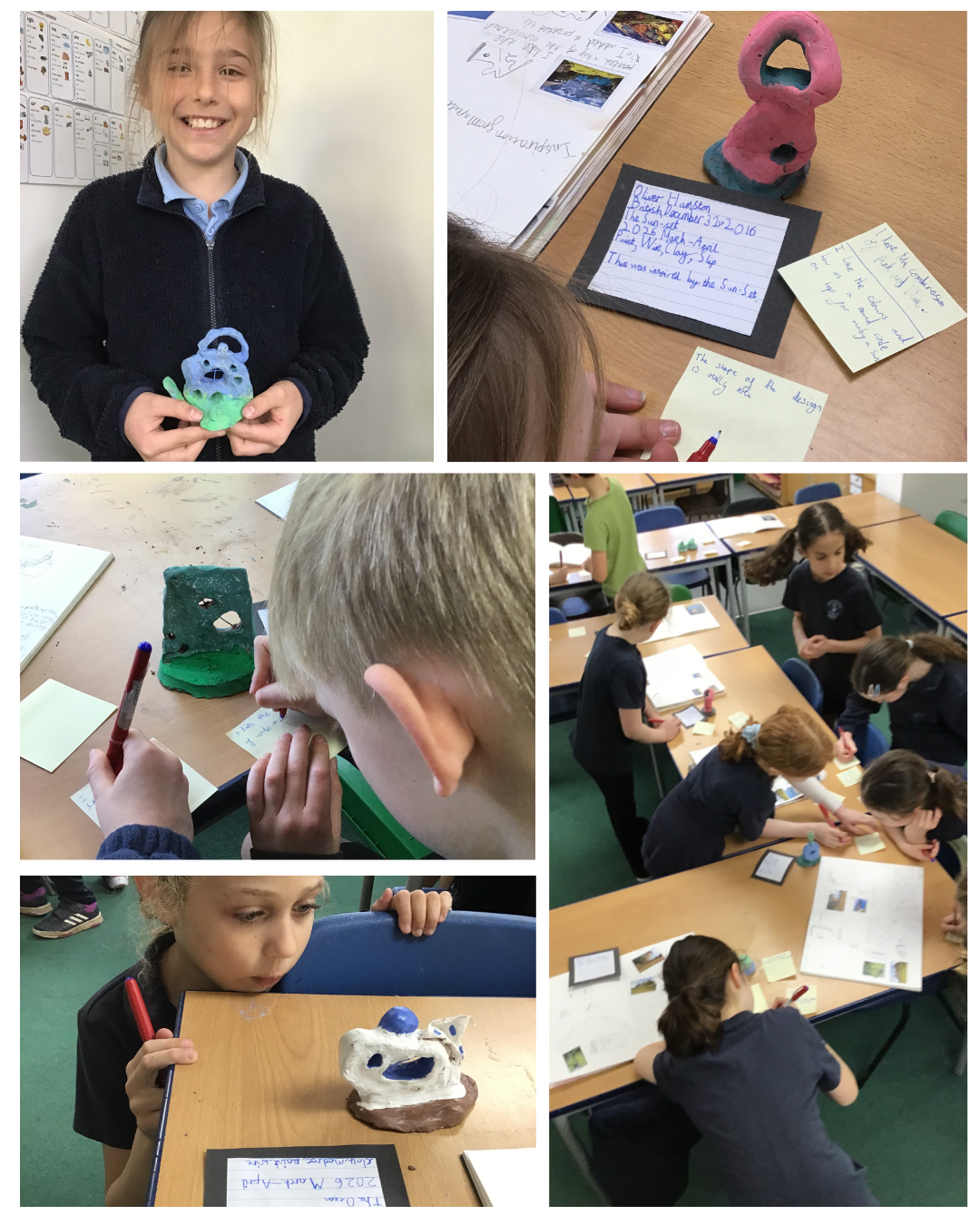
This half term, the children explored sculpture by taking inspiration from artist Barbara Hepworth. After studying her artwork and practising clay techniques, they were inspired by the landscapes around Devon to sketch and think about their own sculptures.
Using these ideas, the children created their own abstract sculptures, experimenting with shape and structure. They then painted their pieces, choosing colours inspired by both nature and their imagination.
To celebrate their work, we created galleries in our rooms, where children could see and enjoy each other's sculptures and left positive comments about the pieces.
This art unit encouraged creativity and helped the children see how the natural world can inspire unique works of art. Throughout the unit, they have shown great curiousity, resilience and creativity They should be incredibly proud of their final pieces.
What a joyful way to end the half term.
Brilliant Biographies
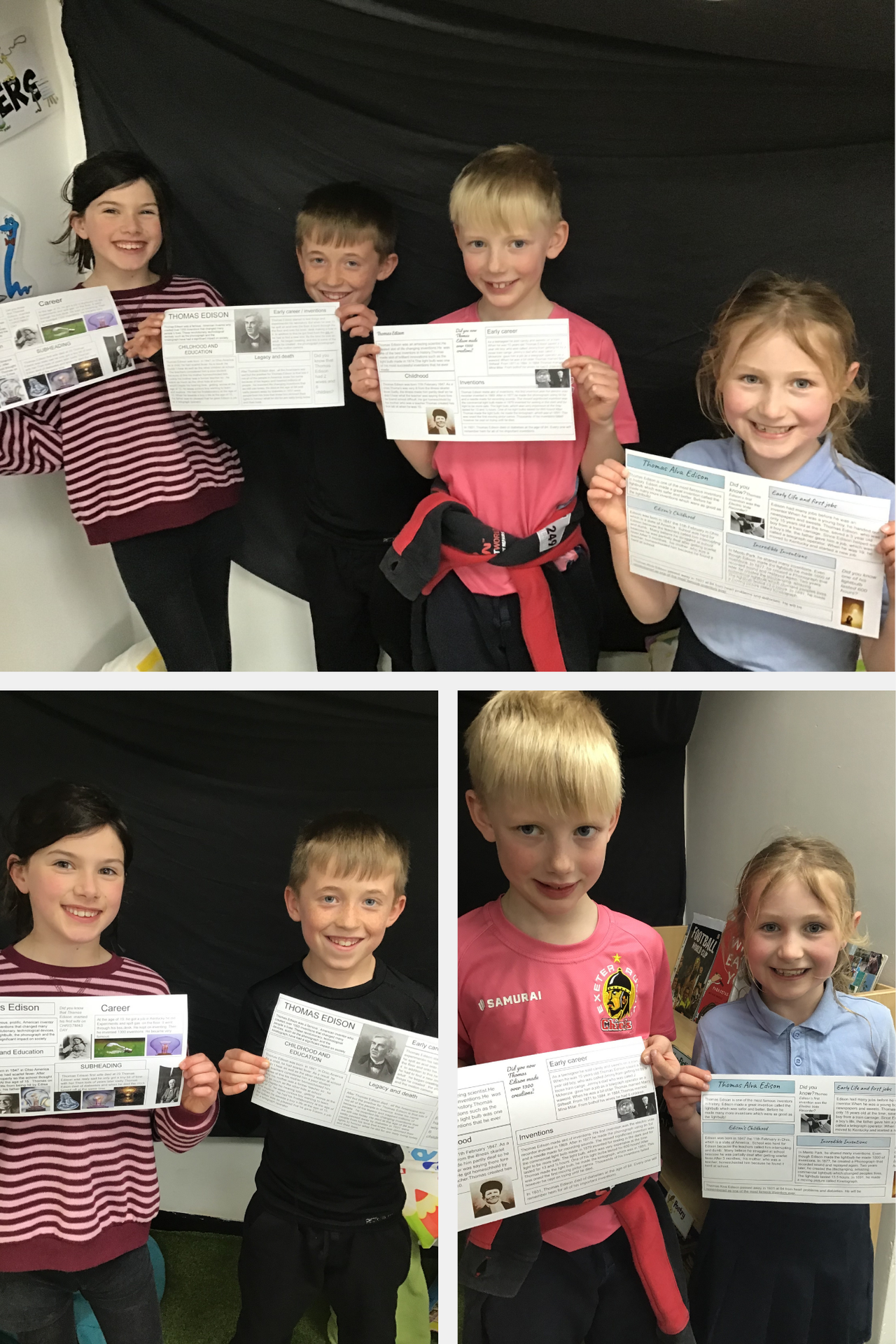
The children used their learning from English, Science, Design and Technology and Computing to create incredible biographies about Thomas Edison.
Before writing their own biography about Thomas Edison, they first explored a range of biographies. This helped them see how real lives could be shaped into engaging texts, rather than simple lists of facts.
After practising some writing skills, they researched Edison more before creating their own biography. They then transformed their writing into digital project page; adding images, exploring changing the fonts and colours to make it engaging for the reader.
These were brilliant biographies and they should be really proud. Well done.
Dazzling dance!
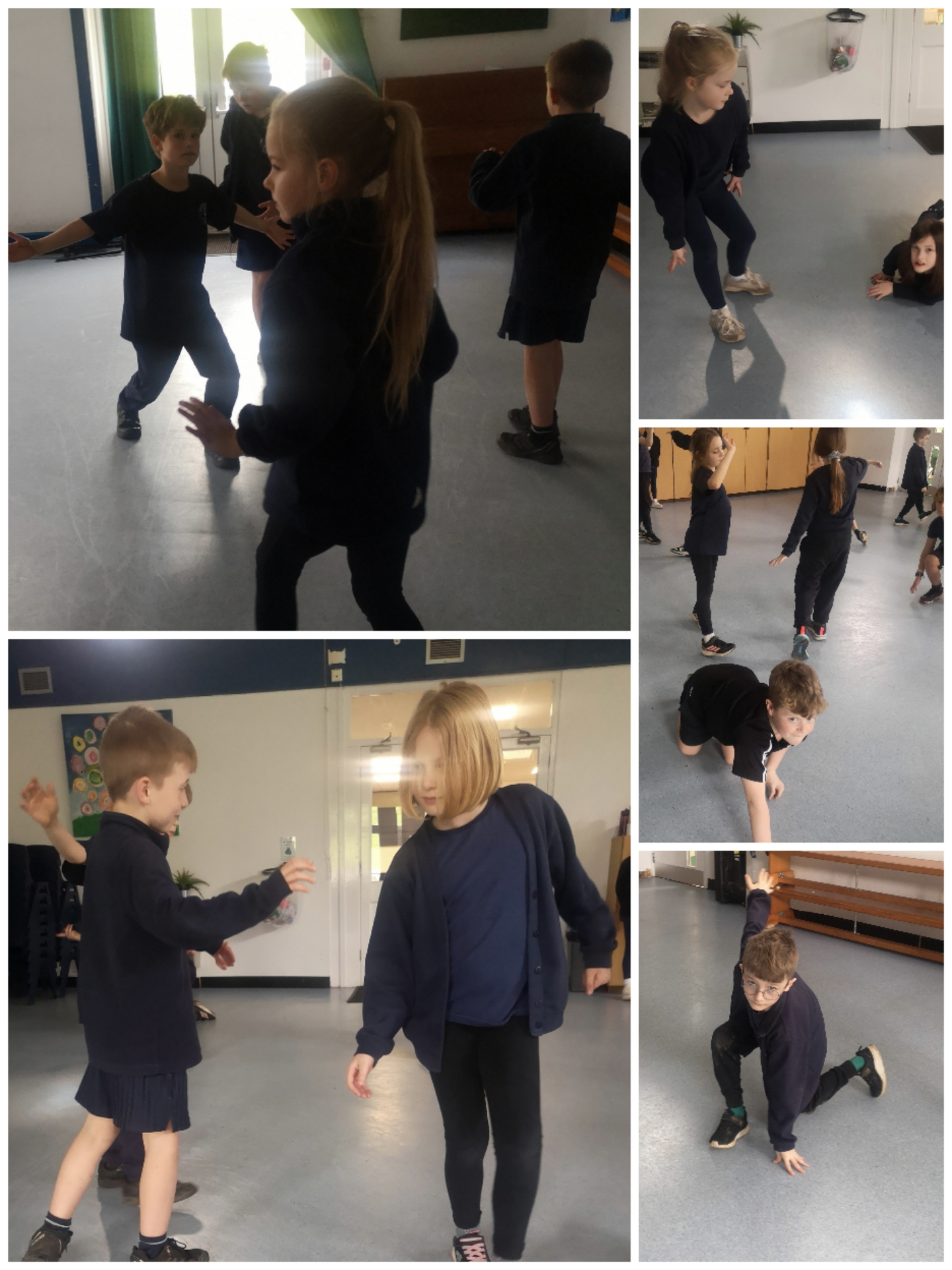
Using our reading time/Literacy text of 'Varjak Paw' as a stimulus, we have all been exploring the key skills of travelling, turning, flight, gesture and stillness. Everyone has shown amazing progress in their interpretive movements and have really taken on board supportive critical observations to develop their skills. What talented dancers we have in Years 3 and 4!
Red Nose Day Celebrations at School
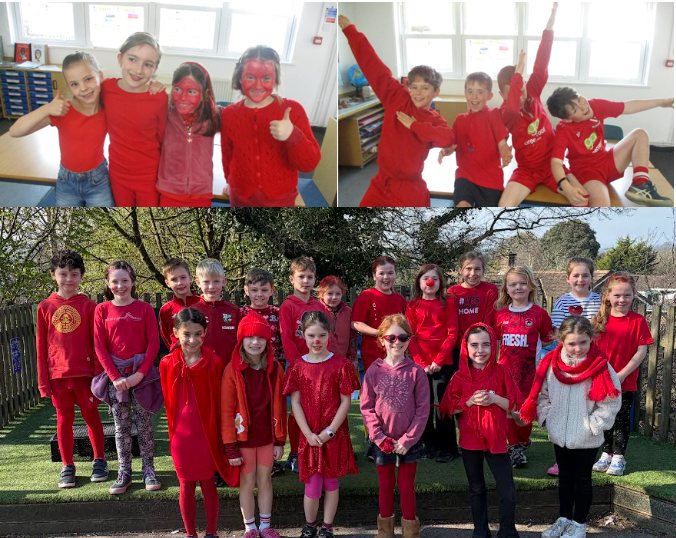
The children were invited to wear as much red as possible, and they certainly rose to the challenge. We saw a fantastic array of creative outfits, including face painting, colourful hairstyles, hair spray, and plenty of bright red accessories.
As part of the celebrations, the children took part in a fun and engaging quiz designed to get everyone involved. The quiz included three exciting rounds, and the children worked enthusiastically to answer questions and earn points for their teams. At the end, we came together to count the final scores, adding to the excitement of the event.
It was a joyful and memorable way to end the week. Not only did the children enjoy dressing up and taking part in activities, but they also contributed to raising money for a very special cause. We are incredibly proud of their enthusiasm, participation, and generosity.
Thank you to all families for your continued support.
Interhouse Competition
Exploring Fractions
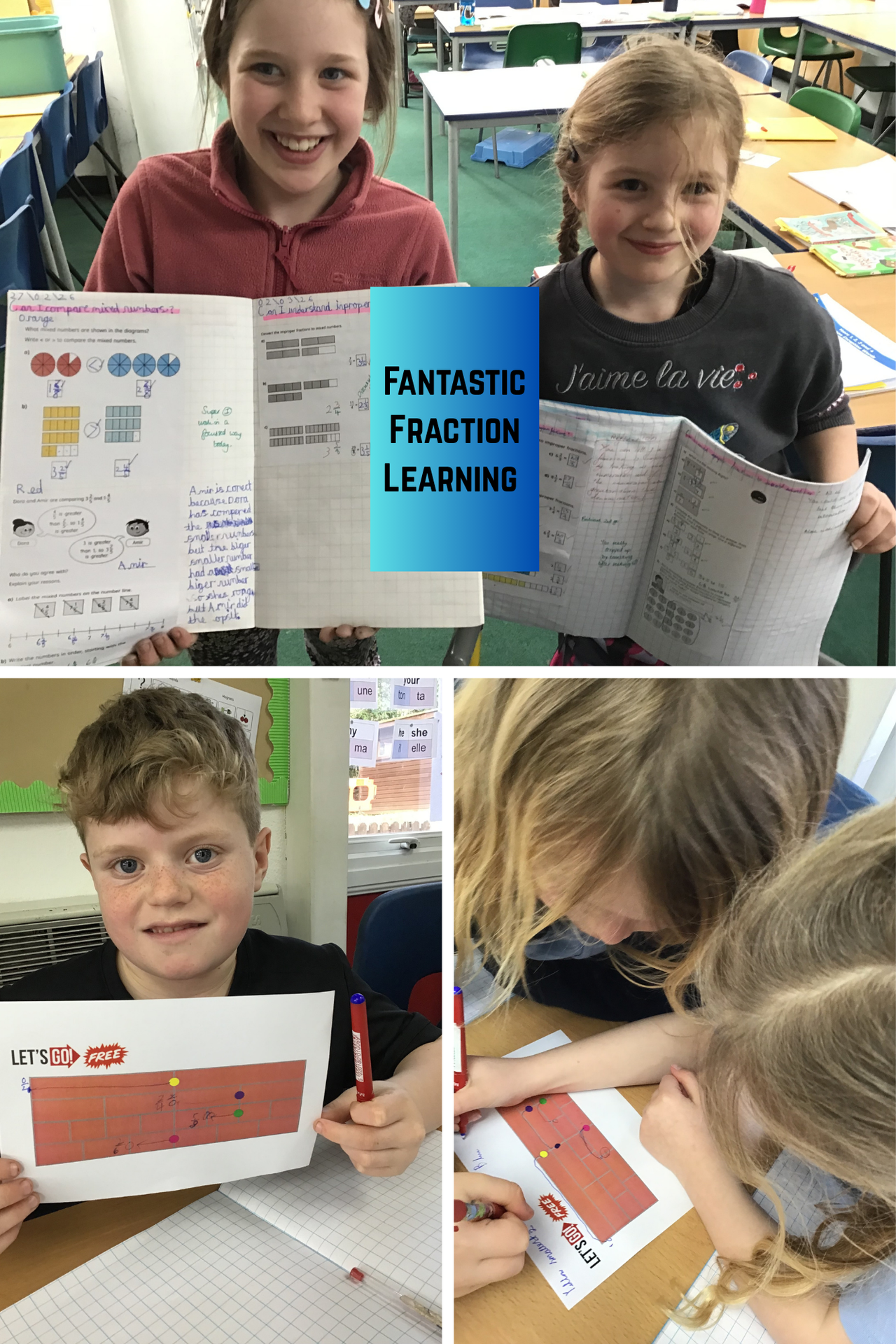
We have been blown away by the positive attitude from the children towards learning about Fractions. There is so much to explore with fractions and through; using objects, looking at images, using number lines and telling stories, the children have shown a brilliant understanding of fractions.
Year 3 have developed their understanding of unit and non unit fractions, counting on and back in fractions and comparing fractions. They are now starting to explore equivalent fractions.
Year 4 have revisited their previous learning to secure understanding before exploring more challenging equivalent fractions and learning about mixed fractions and improper fractions. They are now starting to add and subtract fractions!
Well done everyone, for your great effort and enthusiasm while learning about fractions!
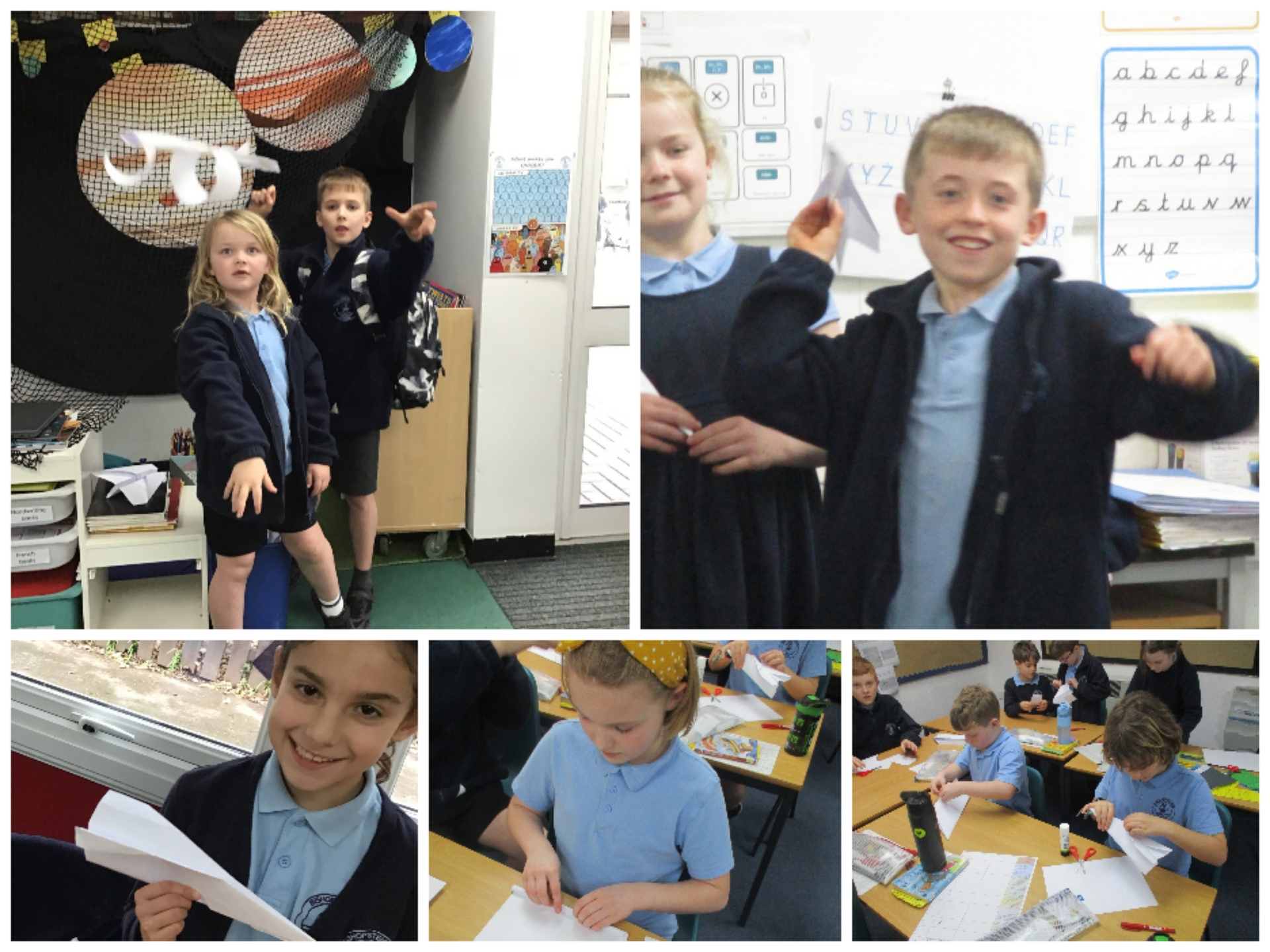
British Science Week 2026
World Book Day in Our Class
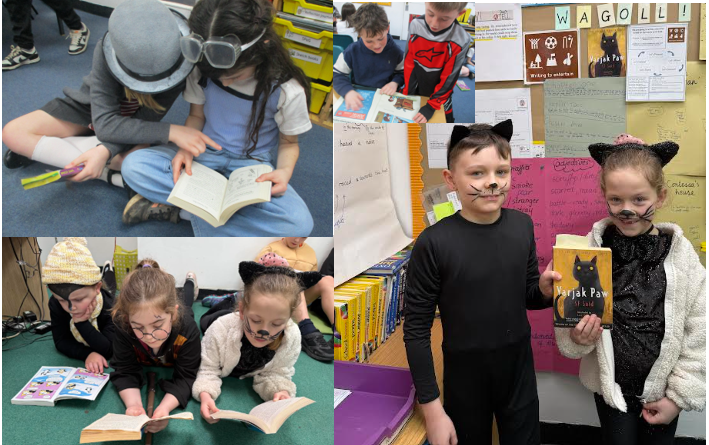
Many children brought in their favourite books or space-themed stories from home, which they proudly shared with their classmates. It was wonderful to see everyone talking about the characters and adventures they love and recommending books to their friends.
As part of the day, we took part in a space-themed reading comprehension lesson. The children learned about famous astronauts and discovered fascinating facts about space through reading activities. They showed great curiosity and asked thoughtful questions about space travel and life beyond Earth.
Throughout the day, we also made time for extra reading for pleasure. During our drop-everything-and-read time, everyone paused to enjoy a book of their choice. We also shared a class story and spent time reading with partners or independently.
The children especially enjoyed reading in our space reading nook, where they could relax with a book in a cosy space-themed corner of the classroom. It was lovely to see them so engaged and excited about reading.
It was a fantastic day and a wonderful celebration of books, imagination and the joy of reading.
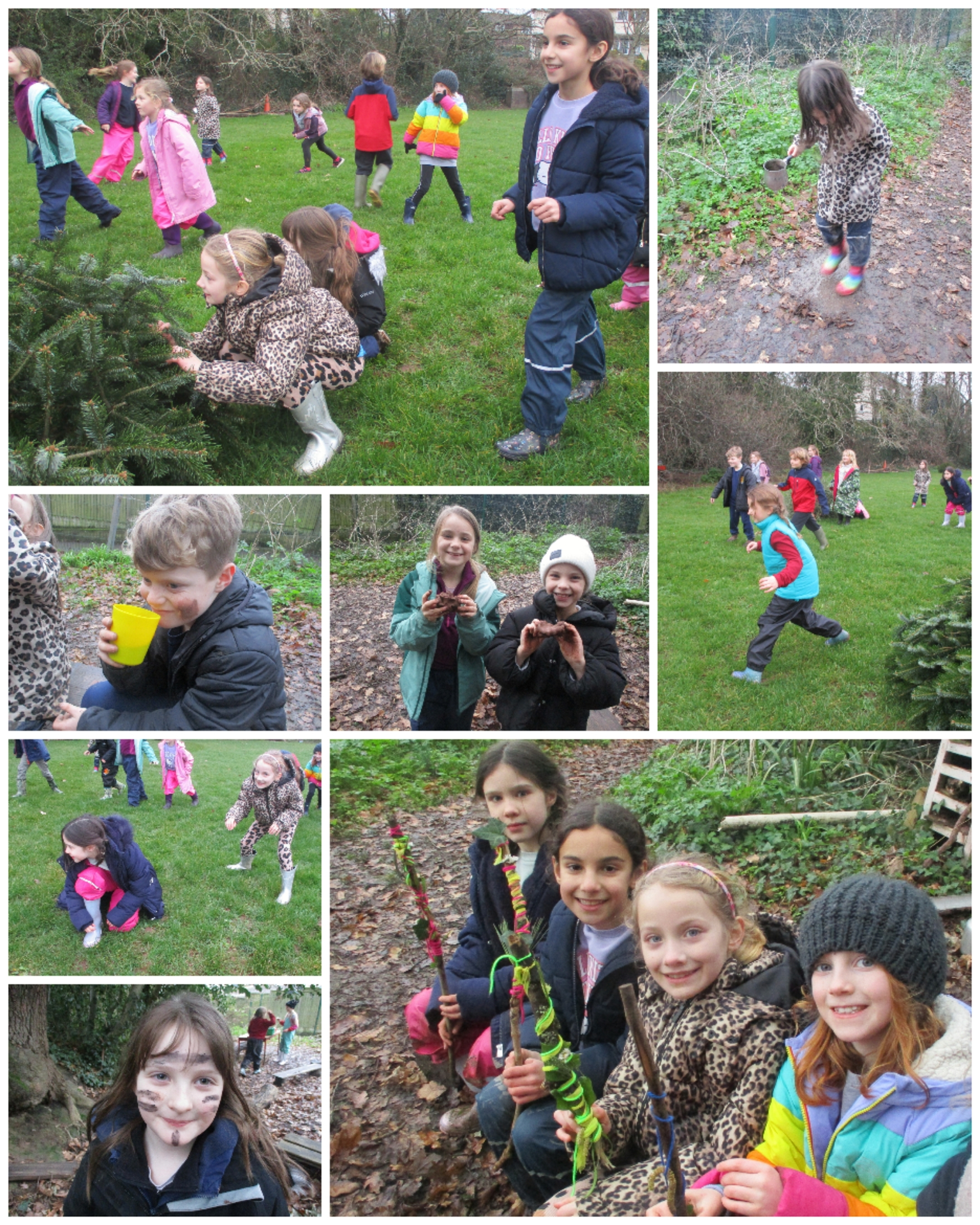
Fantastic Forest School!
Working as a Scientist
Varjak Paw - Hot Seating
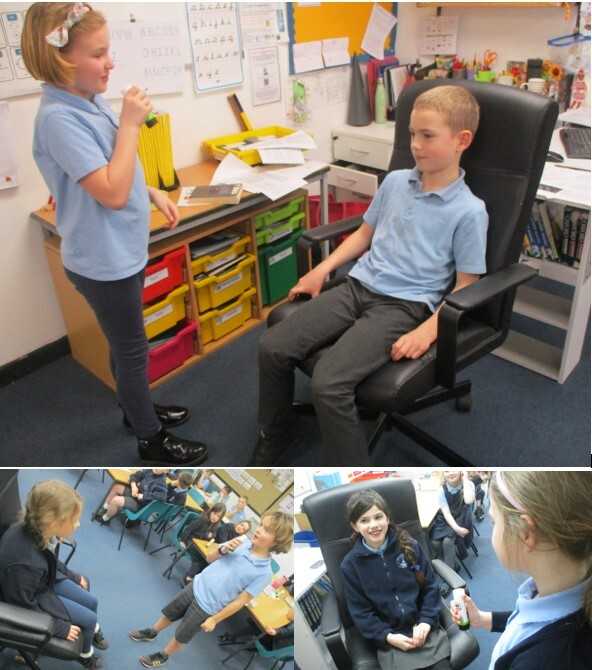
We began by briefly recapping the main events of the story so far and discussing how Varjak has been feeling at different points in his journey. The children identified key emotions such as fear, worry, and loneliness, as well as moments where he shows bravery and determination.
The highlight of the lesson was our hot-seating activity. In groups of three, one child took on the role of Varjak while the others interviewed him about significant events in the story. The focus was on his thoughts and feelings, and the children were encouraged to use powerful vocabulary from the text to show, not tell, his emotions. It was wonderful to see how confidently they stepped into character and applied the language we had explored.
This work will support the children as they begin writing their own chapter, helping them make thoughtful vocabulary choices to create a strong impact on the reader.
Exploring sculpture and sculpting materials
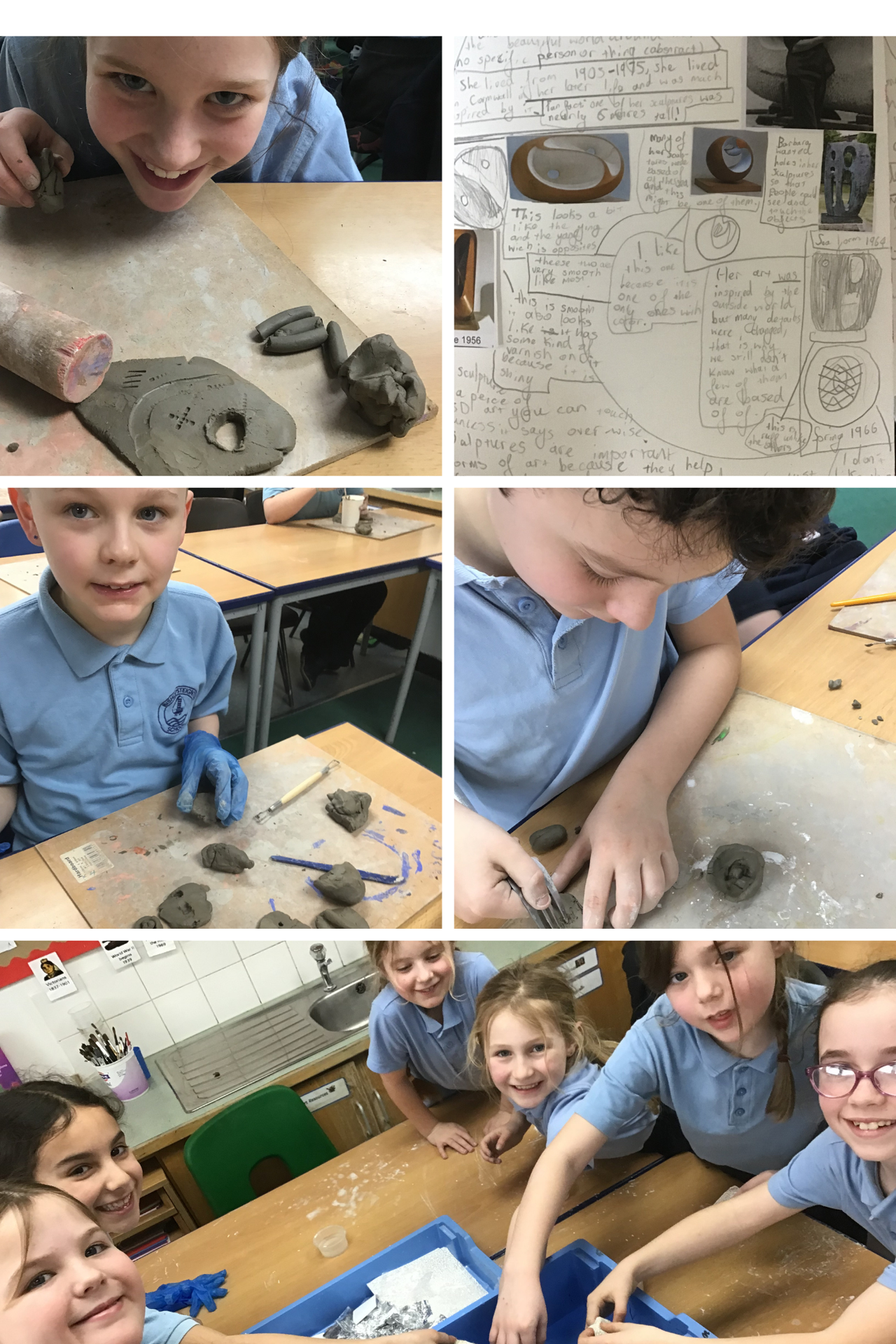
By discussing and sketching Barabara Hepworth’s sculptures, the children began to understand that art doesn’t always have to look “real”. Instead, it can express feelings, movement, and ideas through abstract forms. These ideas will help inspire their own sculptures.
After studying Hepworth’s sculptures, the children began experimenting with clay.They practised; coiling, pinching and shaping, rolling, piercing, carving, mark making, smoothing and score and slip (joining). They also explored the sculpting material of mod-roc and realised how it was different. Throughout these processes, they learnt how to think like a sculptor (experimenting, adapting, taking risks and responding to what happens).
We are super proud of the resilience, creativity and focus the children showed. They are budding sculptors in the making!
Maya Day Adventures: Learning, Tasting, and Creating Together
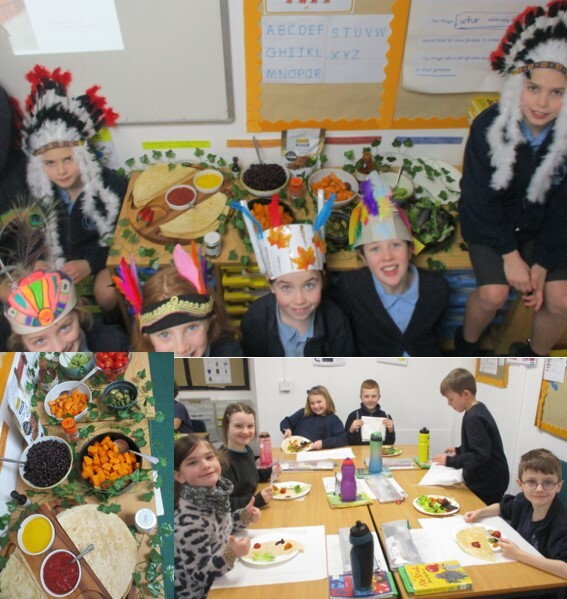
The day began with great excitement as the children made a traditional Maya-inspired chocolate drink. They learned that chocolate was considered a special and sacred drink by the Maya, often described as a “drink of the gods”. Some children bravely chose to add chilli flakes, discovering how flavours can be combined in different ways across cultures. It was fantastic to see their curiosity and willingness to try something new.
Following this, the children created their own tortilla wraps using ingredients inspired by foods eaten during Maya times. They carefully chose from baked squash, pumpkin, sweet potato, tomato, avocado, black beans and lettuce, with the option of adding salsa for extra flavour. The children demonstrated excellent independence and enthusiasm while preparing their food. Many shared their thoughts about the taste, texture and appearance of the ingredients, particularly those they were experiencing for the first time. It was especially encouraging to see many children discover that they enjoyed black beans and salsa, with several saying they would happily eat these foods again.
In the afternoon, the learning continued through physical activity and creativity. The children explored aspects of Maya culture by playing a version of the traditional Pok-a-Tok game. They also designed and created beautiful bookmarks featuring their own Maya spirit companion. This supported their understanding of Maya beliefs, calendars and their strong connection to astronomy.
It was a fantastic way to celebrate the end of the term — a fun-filled day that brought history to life through food, culture, creativity and teamwork. We are incredibly proud of the enthusiasm, resilience and curiosity shown by all of the children throughout the day.
Safer internet day- Looking at uses of AI
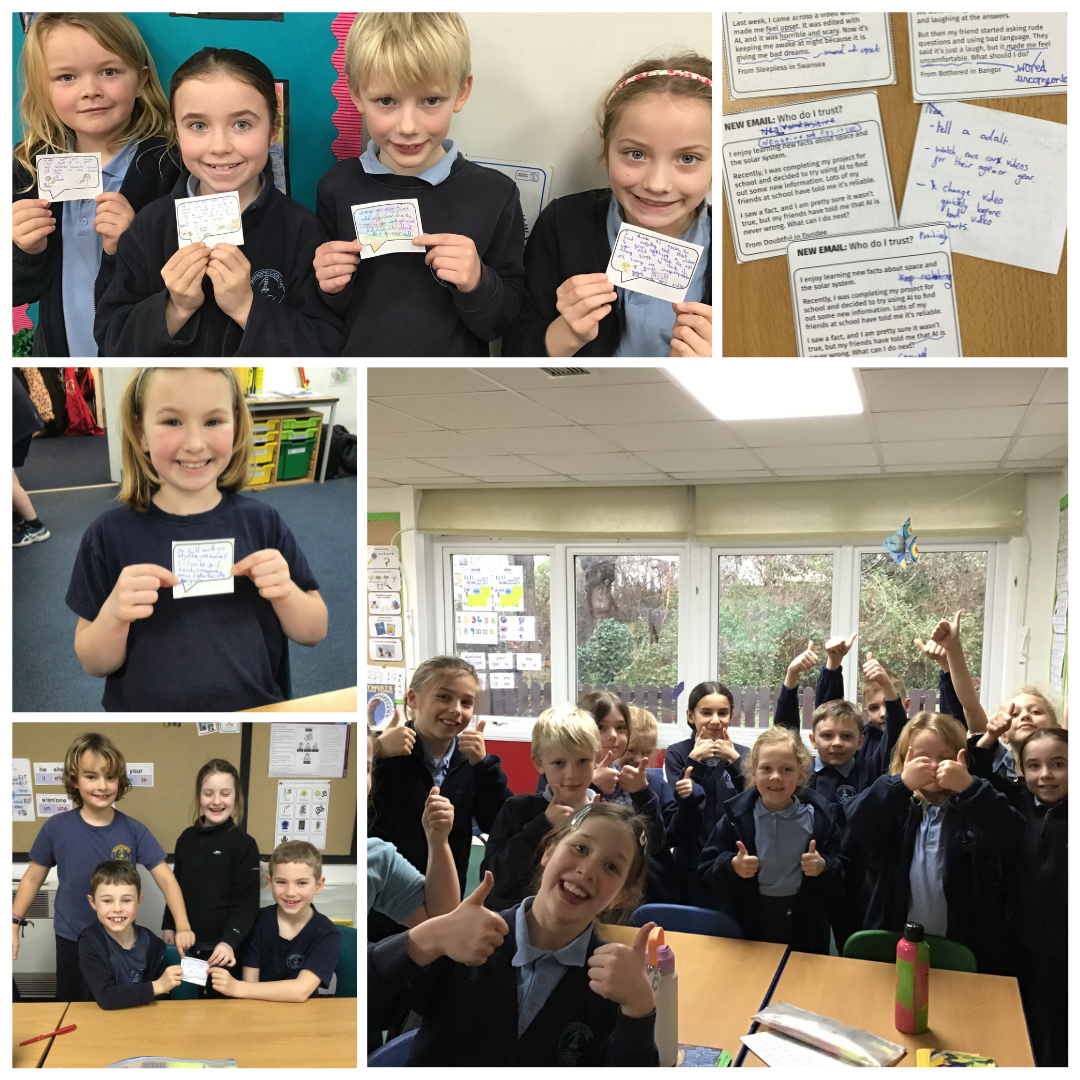
Children have been learning about how technology, especially Artificial Intelligence (AI) – is used in the modern world. From Seri and online games to chatbots, AI is becoming a normal part of everyday life. This makes it more important than ever for children to understand both the positives and the potential risks of using it.
We were impressed by the mature and sensible discussions about various scenarios and whether AI had been used positively or negatively. They also created tip speech bubbles to help others solve issues that they may with AI. Well done Voyagers and Discoverers, fantastic Internet safety awareness.
Smart Feet, Soft Hands: This Week in PE
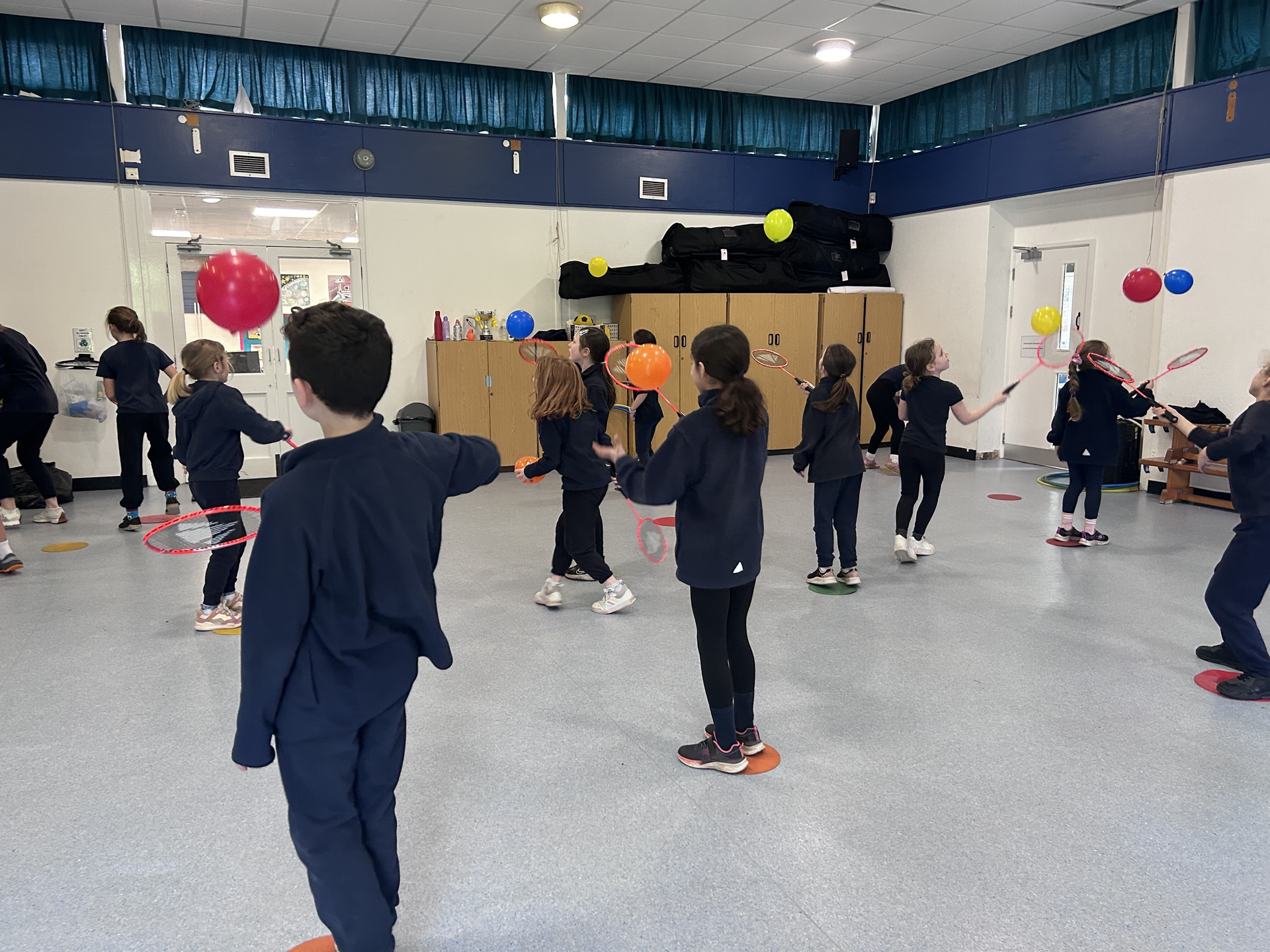
We started the lesson with a fun paired activity called “Mirror Me,” where children copied a partner’s movements to improve footwork, balance, and coordination.
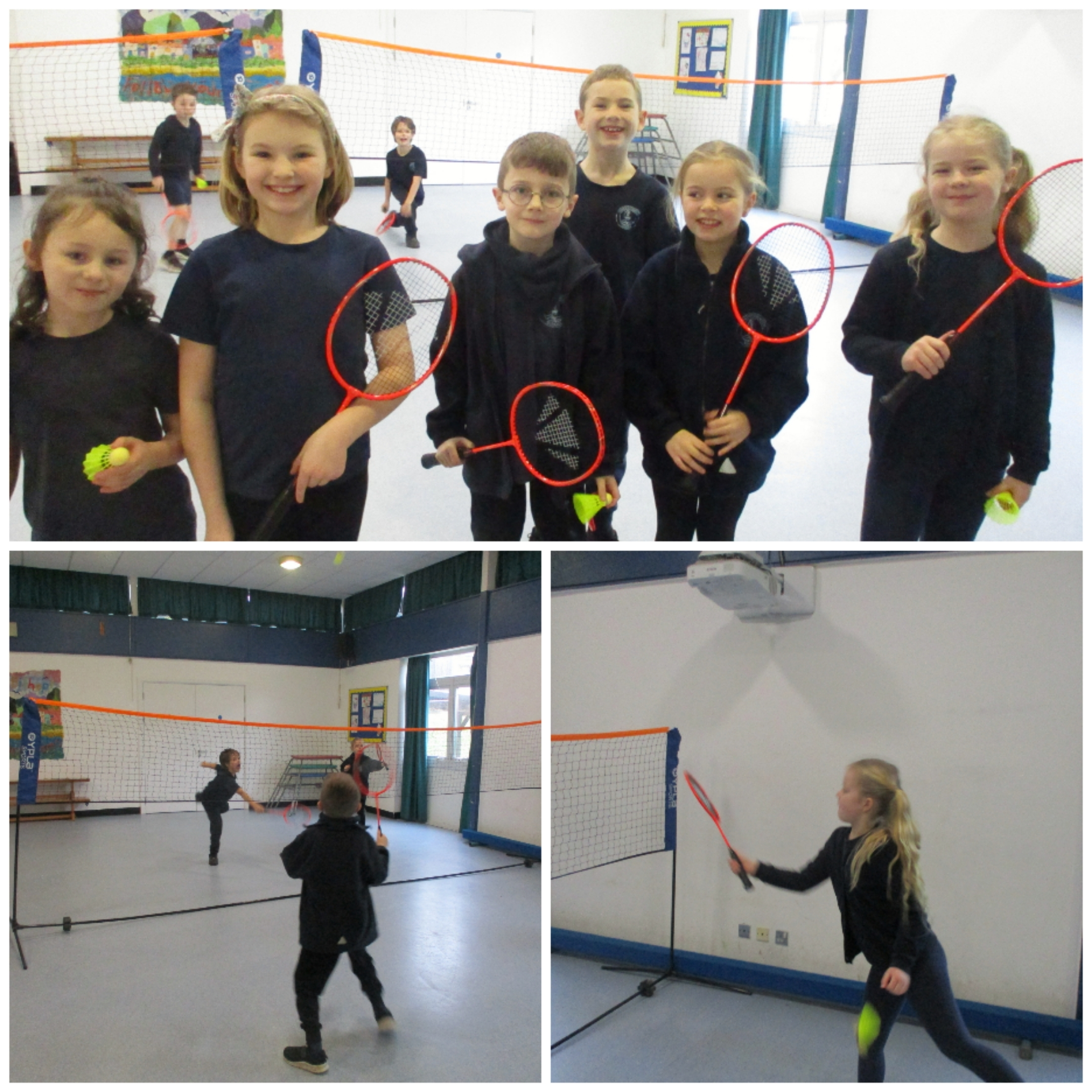
Next, the children practiced key racket grips for forehand and backhand shots. They first used balloons to help feel and see the correct grip when switching between shots, then applied these skills with shuttlecocks in practical drills, focusing on aim, control, and movement.
The lesson finished with gentle stretches and a reflection on which grips and footwork helped them stay in control during rallies.
It was fantastic to see the children building confidence, coordination, and control in badminton while enjoying the activities!
Brilliant Badminton!
Exploring Childhood in Maya Society
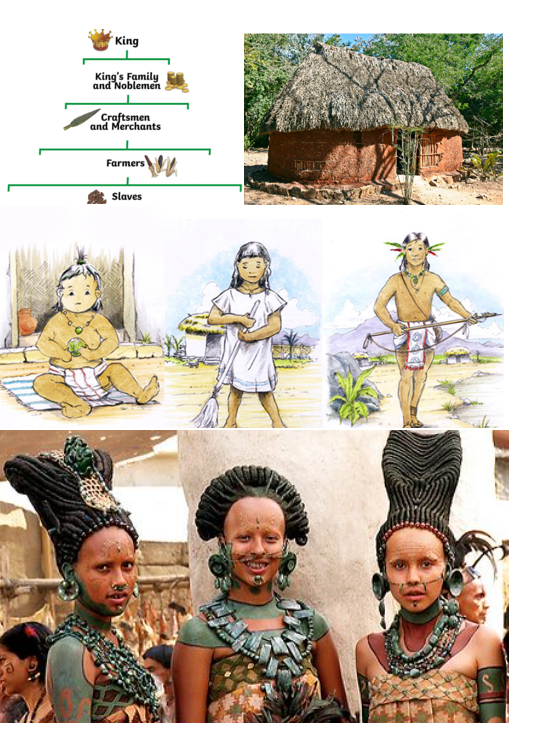
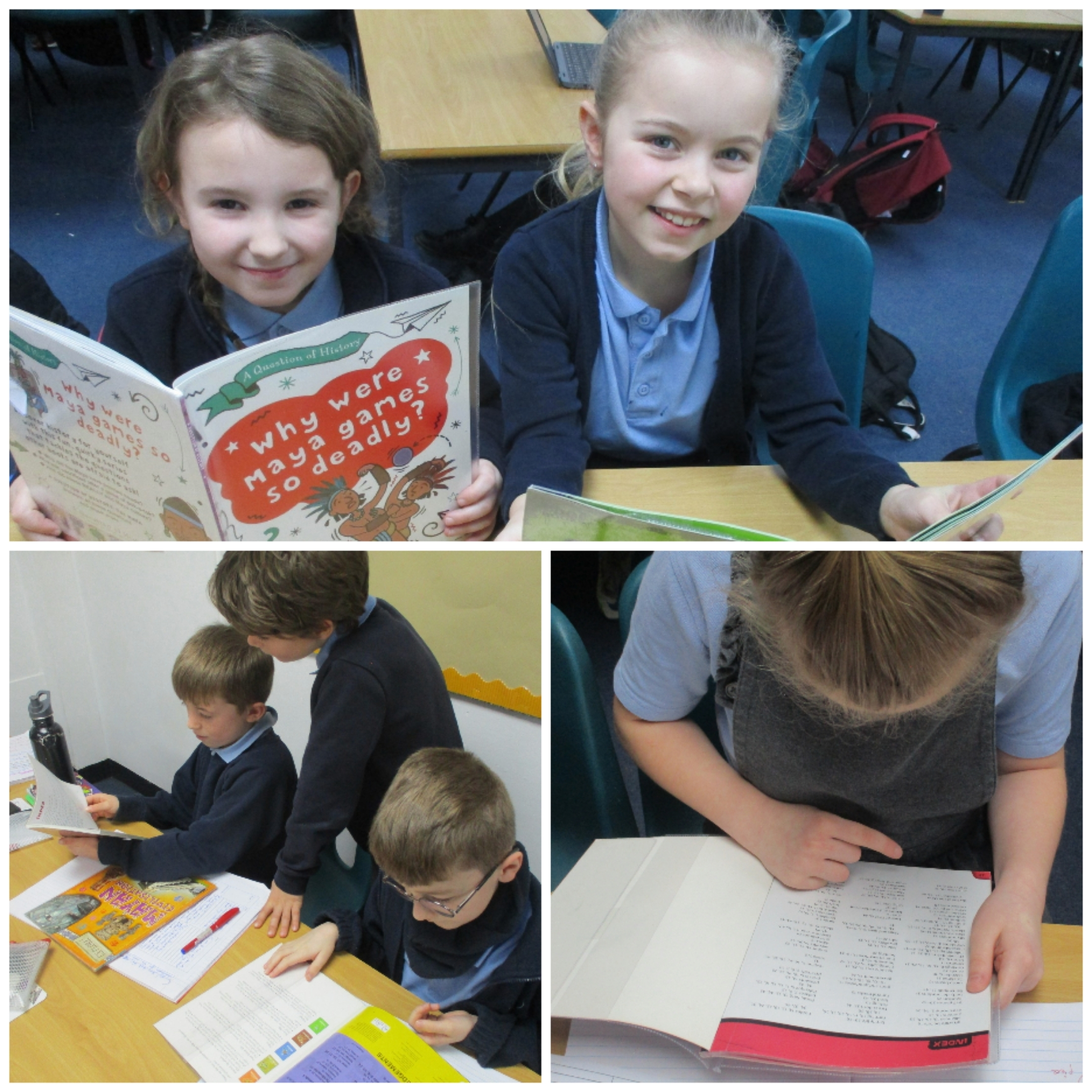
We began by revisiting the structure of Maya society, discussing who was the most important and which groups had the least status. The children then actively explored aspects of daily life, including education, homes, and food, using their topic books to find out information.
The focus then moved to Maya children. The class compared how rich children went to school while poorer children helped at home and followed their parents’ work. The children made links to their own lives, considering how unfair it would be today to have to do the same jobs as their parents. We also discussed how all Maya children were raised to be hardworking and responsible members of their society.
For the main activity, the children completed a table with information about rich and poor Maya children. Some then wrote diary entries imagining a day in the life of a Maya child and shared these with the class.
It was fantastic to see the children so engaged in their history learning and confidently using resources to deepen their understanding.
History reports
Developing our division skills.
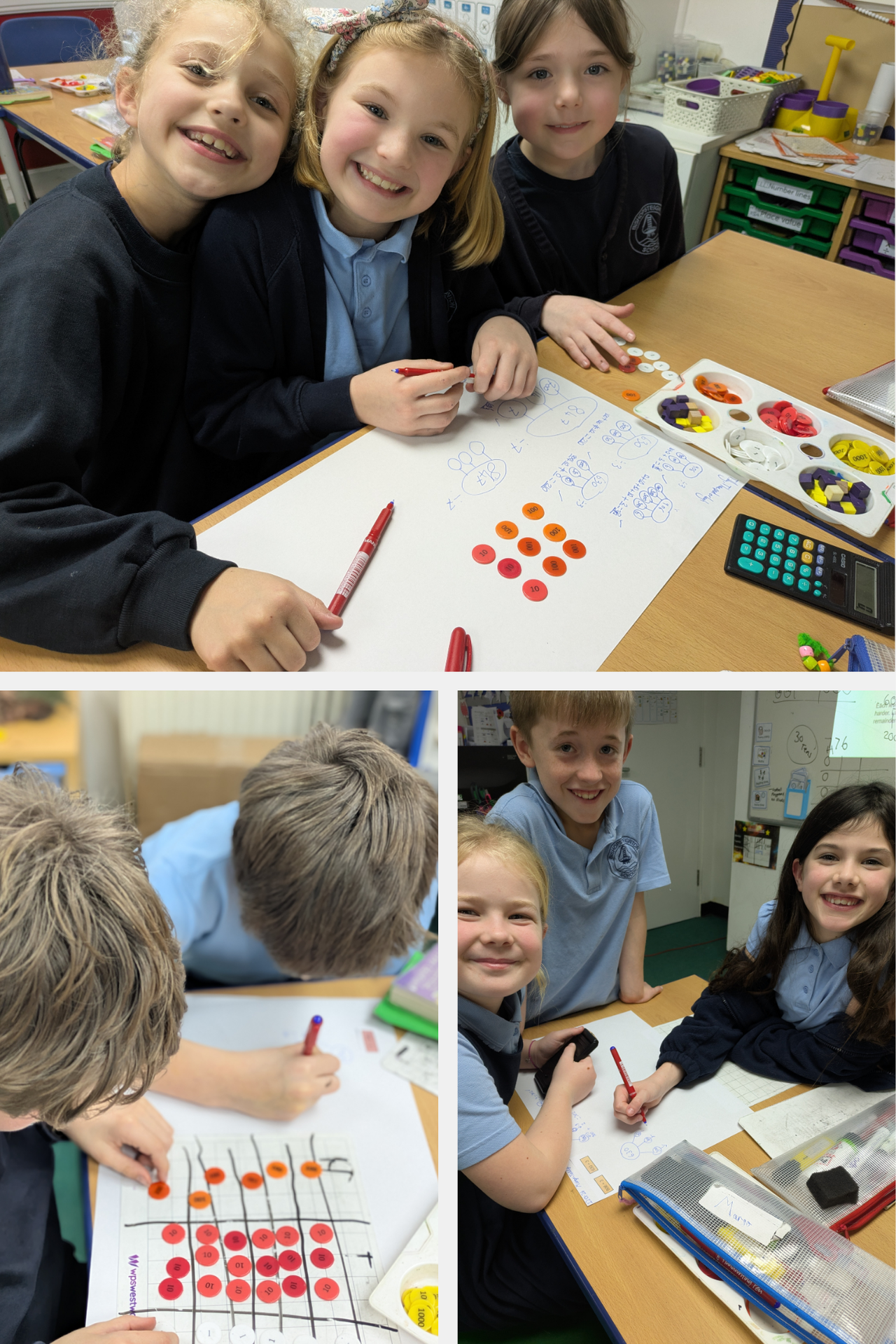
We have been very impressed with the children's resilience when it has come to tackling more challenging divisions this week in Maths. When we divide larger numbers, it can sometimes feel tricky. One helpful strategy we have learnt is partitioning, which means breaking a number into smaller parts. We then use times table facts we already know to help us divide more easily.
It has been fantastic to see the children; explaining their methods to each other, using a range of resources and strategies to support them in solving and using their multiplication facts to help them divide. The smiley faces show how confident they are becoming at these more challenging calculations. Well done everyone!
Creative Computing!
History - Maya settlers thriving in a rainforest environment
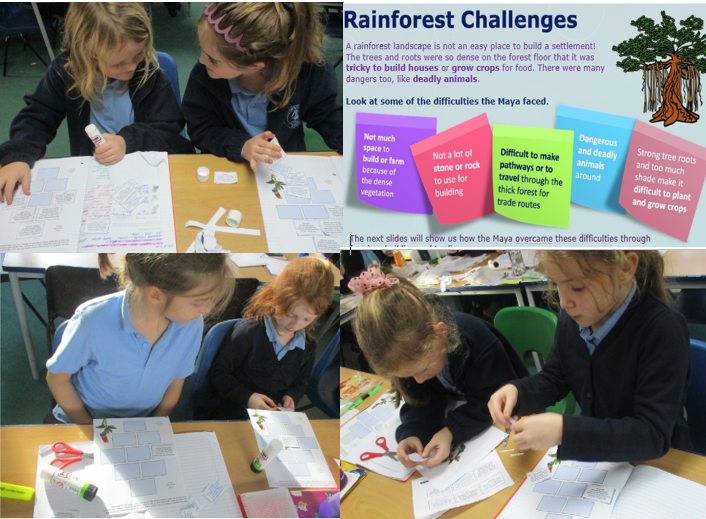
First, we explored the rainforest environment, using images and a short video to learn about the animals, climate, and challenges the Maya faced. The children discussed how living in such a dangerous environment required skill, adaptation, and careful use of natural surroundings.
And then we learned how the Maya changed over time from hunter-gatherers to settled farmers. We explored how they developed successful farming techniques, built shelters using natural materials, and traded valuable goods such as cacao to help their communities thrive. The children finished the lesson by working together to identify the most important factors that helped the Maya succeed in the rainforest.
Fantastic Forest School!
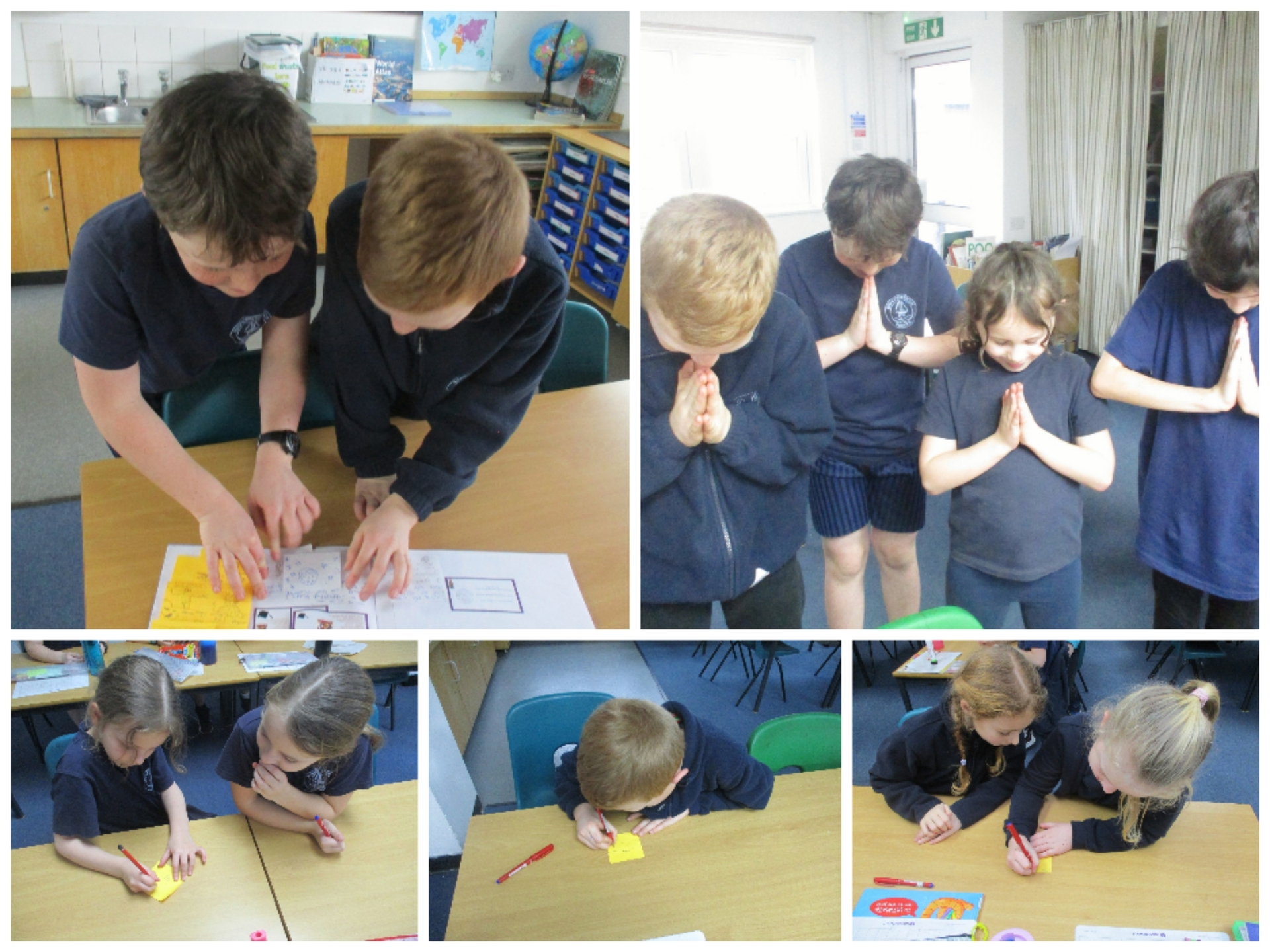
Religious Education
Handwriting
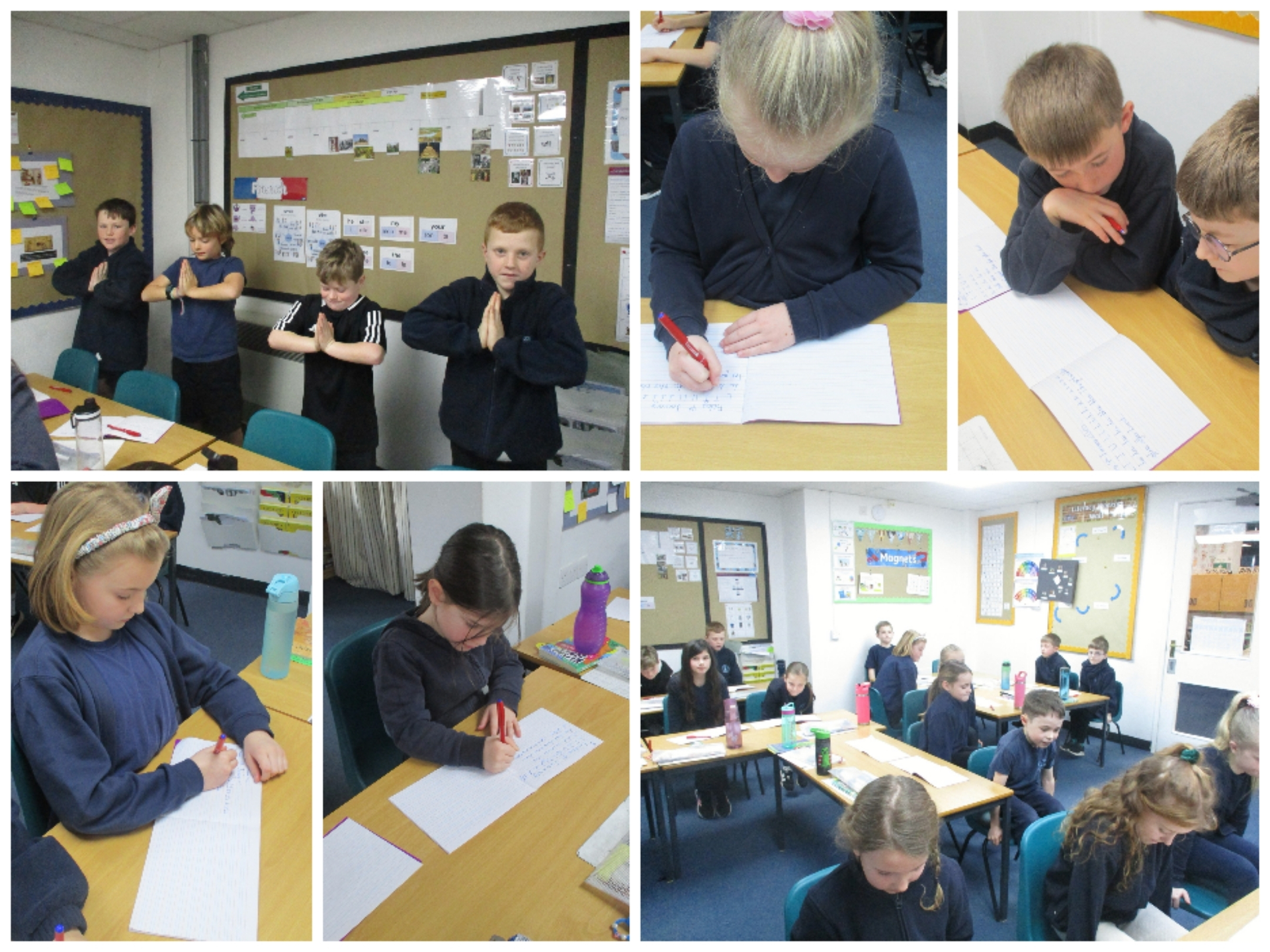
Using warm up exercises and our 4 Ps (posture, pencil, paper, pressure) to make sure we are ready to write, everyone is ready for a fantastic focus on improving our presentation and writing precision. We cannot wait to see the results of all this effort and hard work!
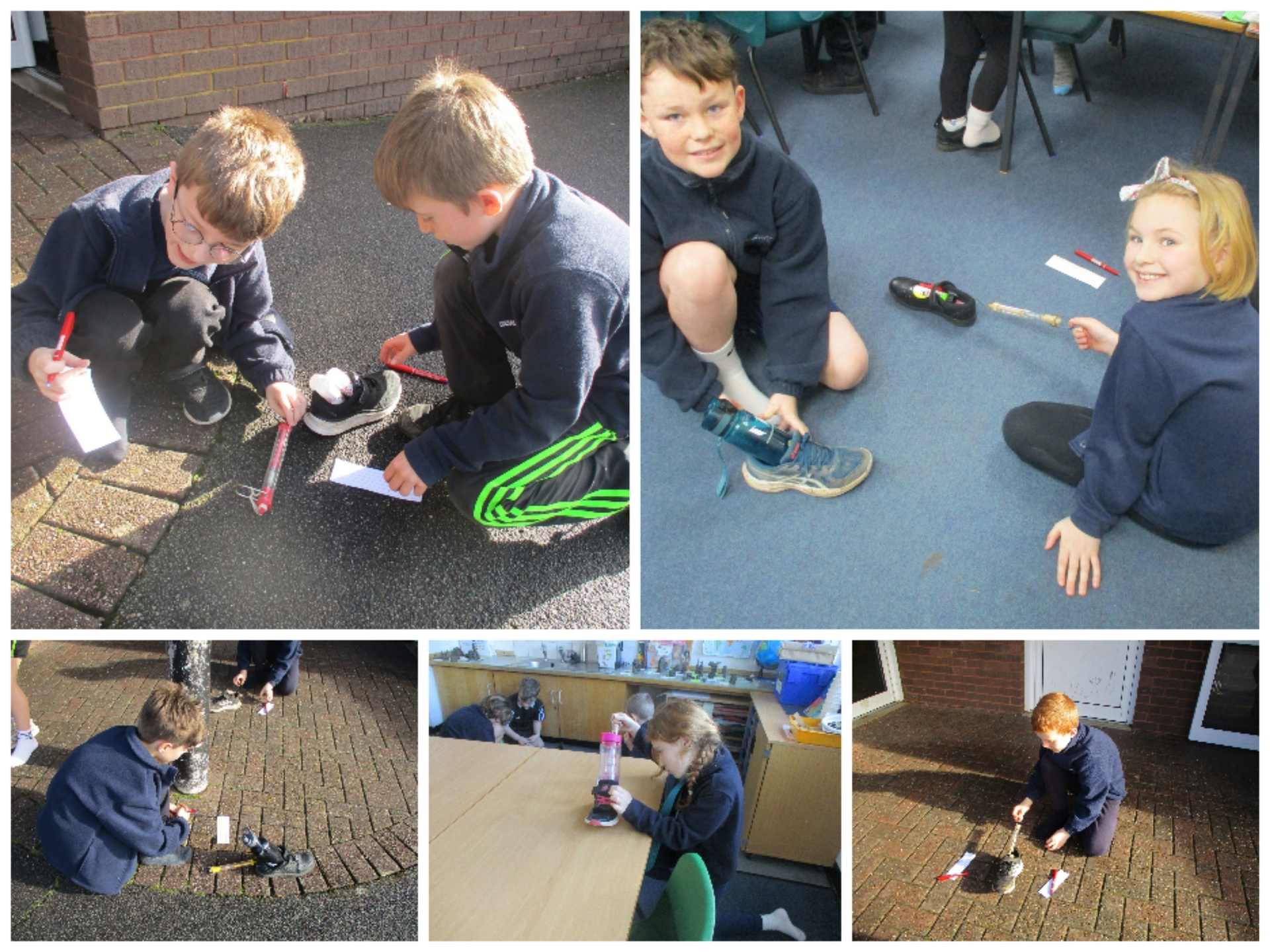
Exploring contact and non-contact forces in Science
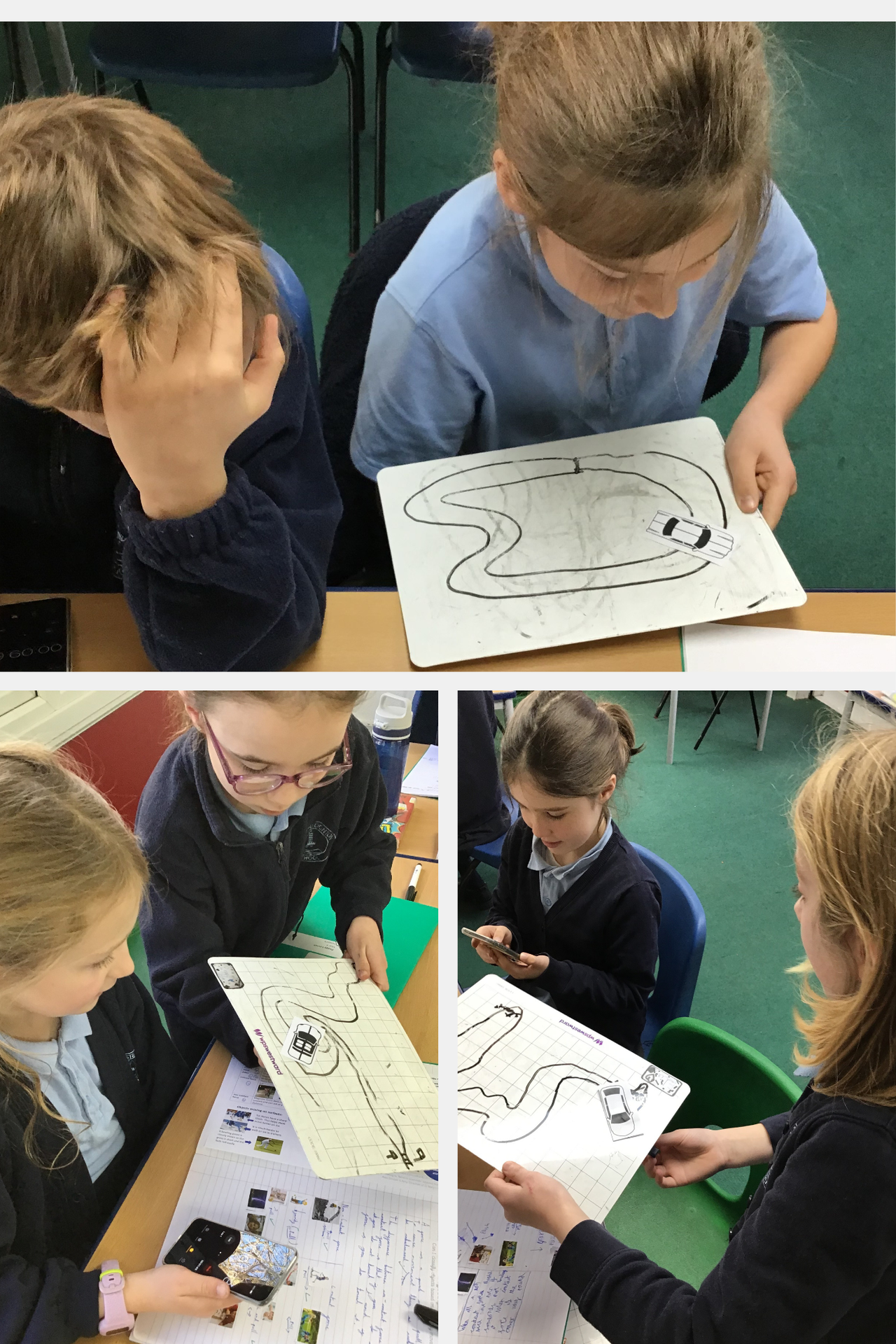
The children started by learning about the difference between contact forces, where objects need to touch to make something happen (such as pushing and pulling), and non-contact forces, which act from a distance.As part of their learning, pupils started to explore magnetism as an example of a non-contact force. Working in partners, they took part in exciting car magnet races, using magnets to move their cars around their race tracks without touching them. They compared whether moving the car by the force of pushing (contact force) or using magnetism (non-contact) was quicker. The challenge encouraged great discussion about what was happening and children started to ask great questions about magnets (which they will be learning more about during this half term). Great start to your forces learning Discoverers and Voyagers.
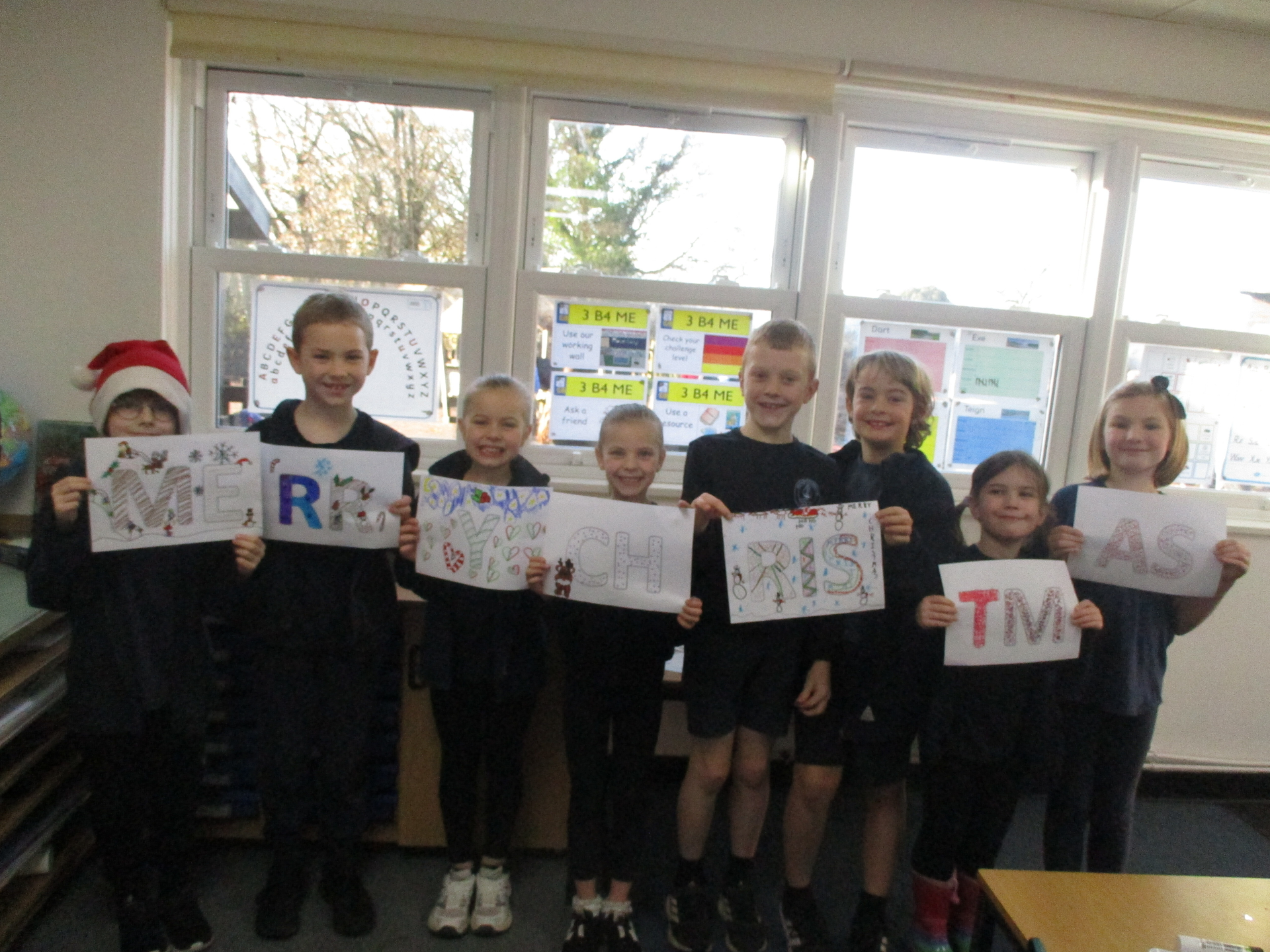
Festive fun!
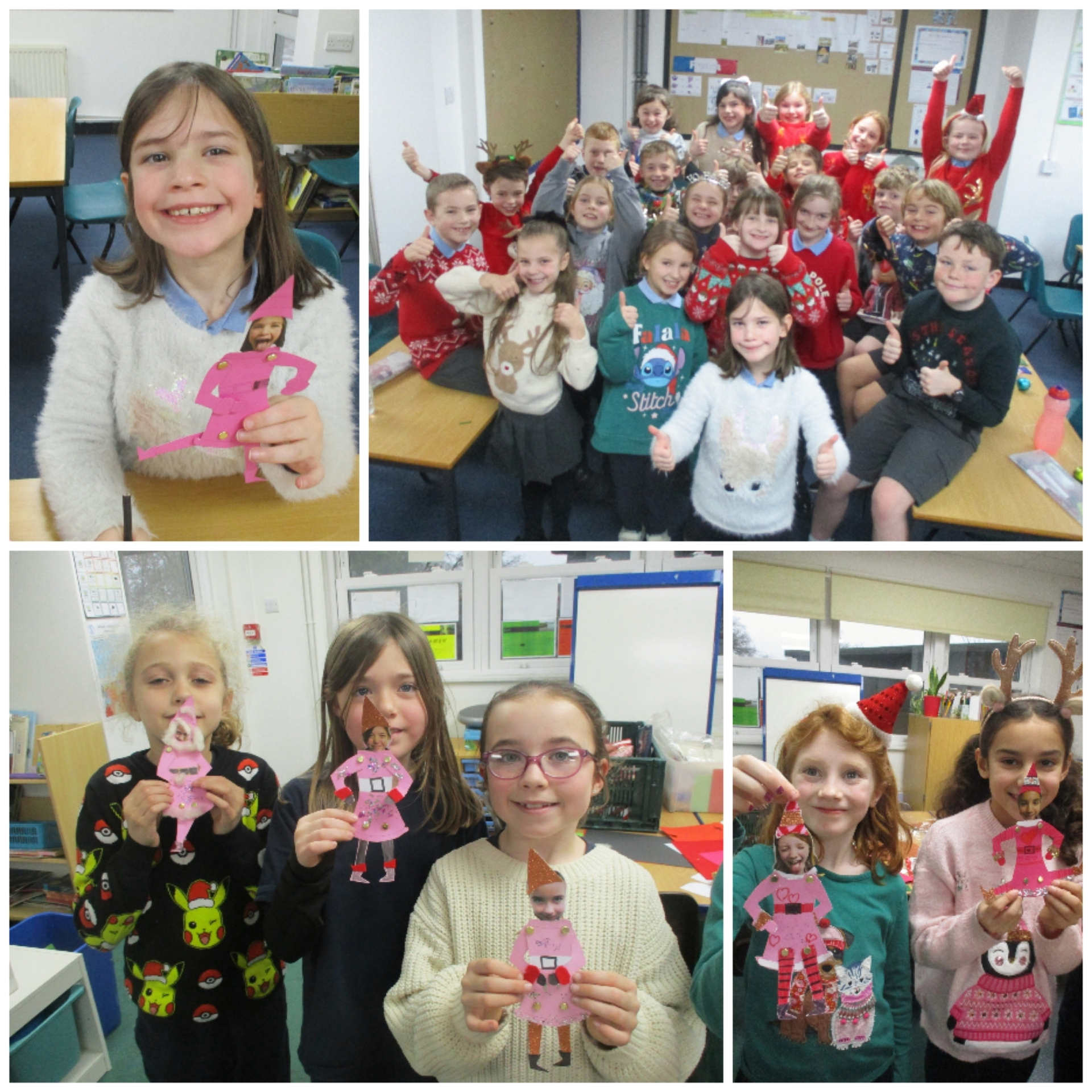
Christmas Crafts
Super DT skills session
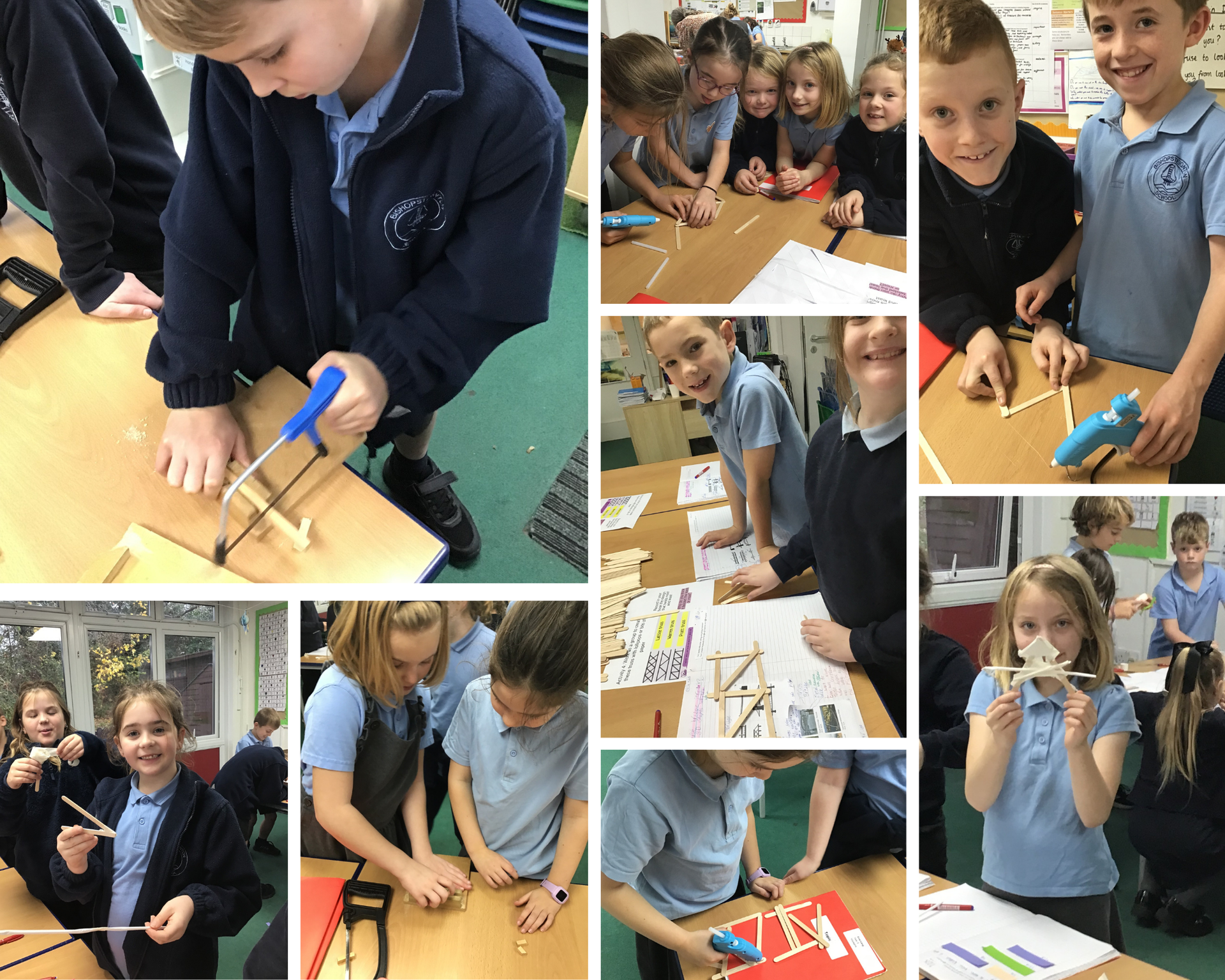
Today, Voyagers and Discoverers developed key woodworking and engineering skills by practising accurate measuring, safe sawing, and effective joining techniques as well as creating and testing different truss designs. Through hands-on experimentation, the children discovered how the shapes and joins truss can potentially make a bridge stronger and more stable, all while building confidence in practical skills.
We look forward to making and testing their group bridges next week. Let's hope they are successful next week in helping a clockwork wind-up Santa get over the river safely!
Reading Stars!
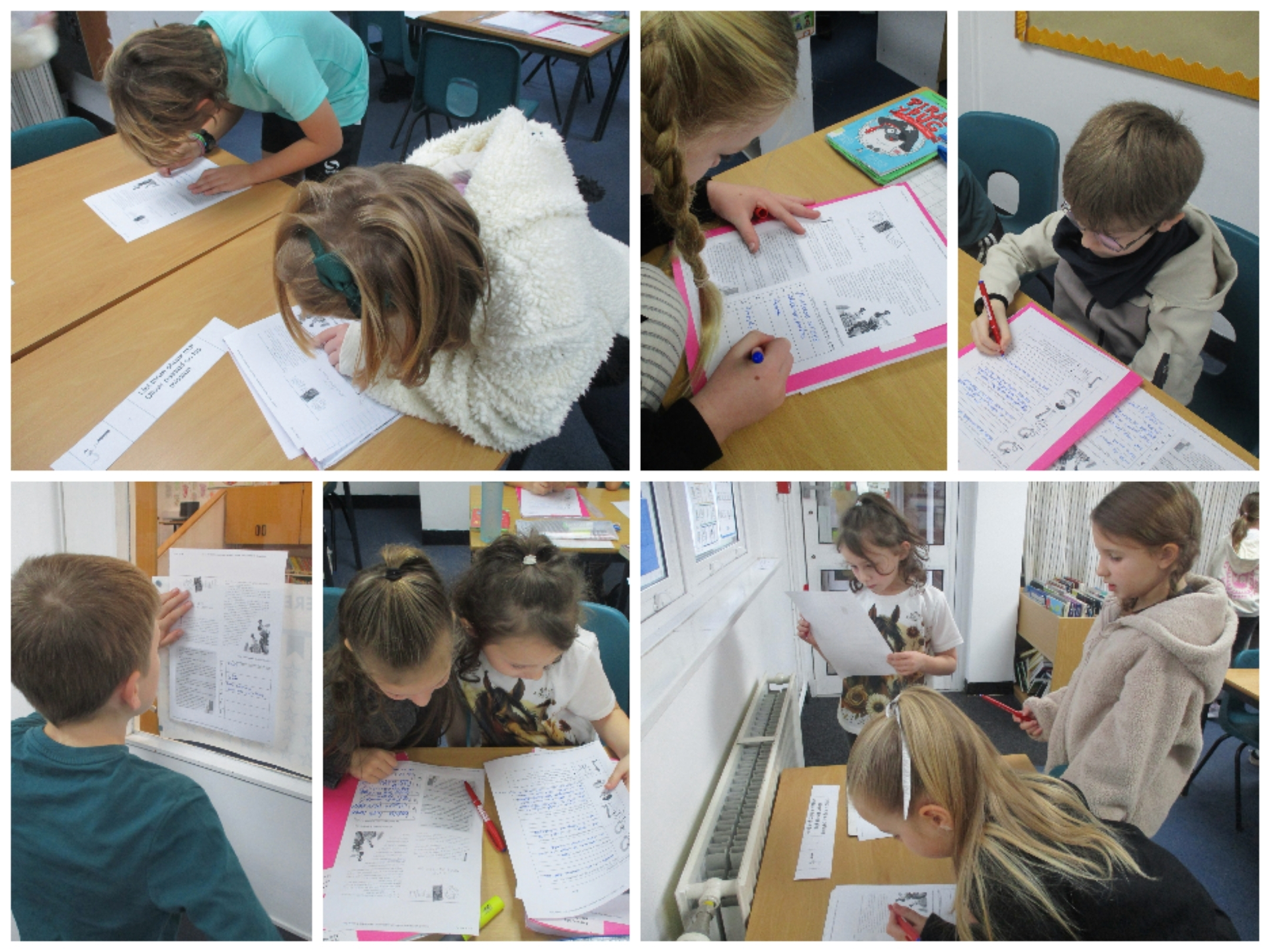
Persuasive Posters
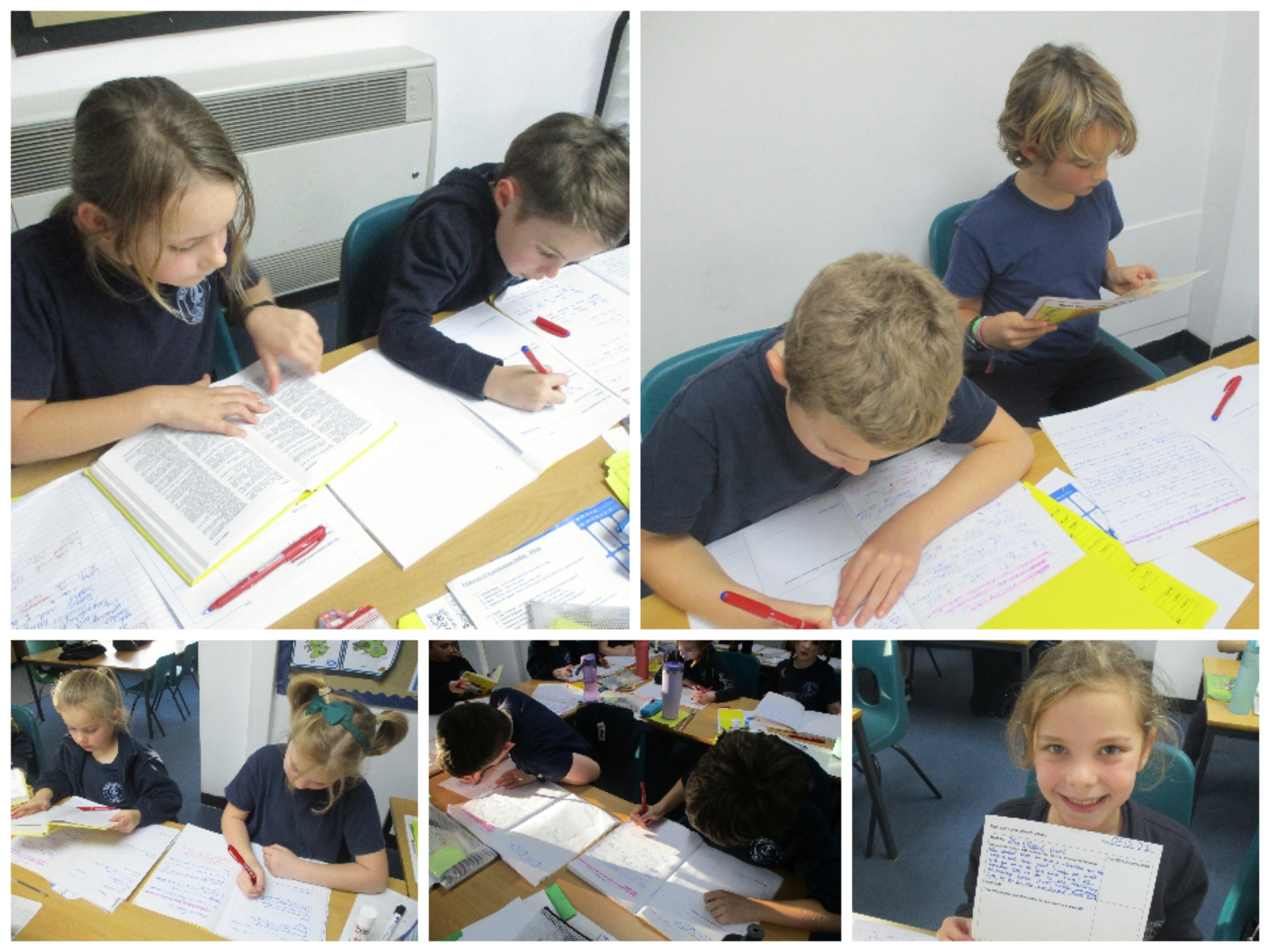
River feature spotters.
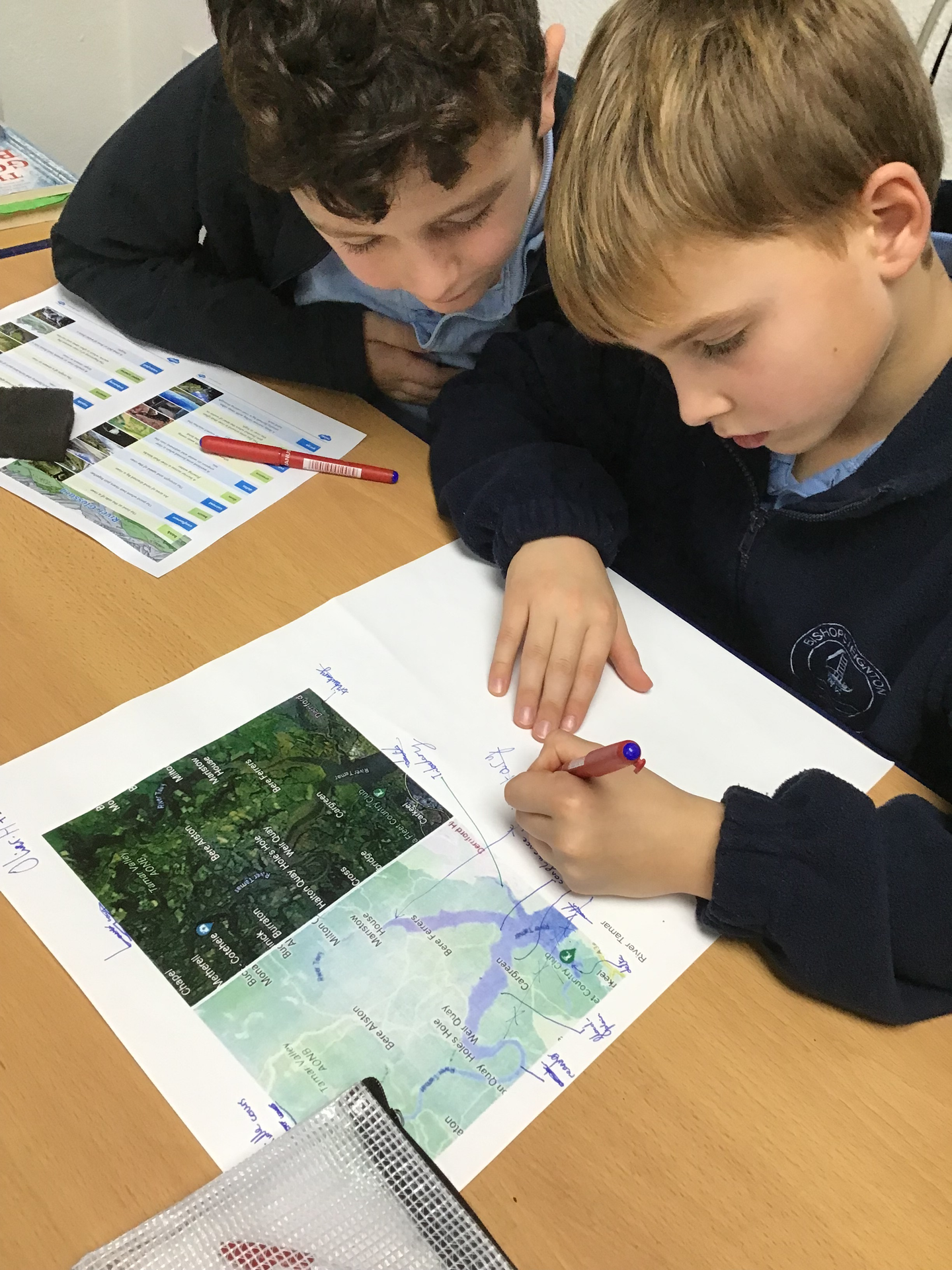
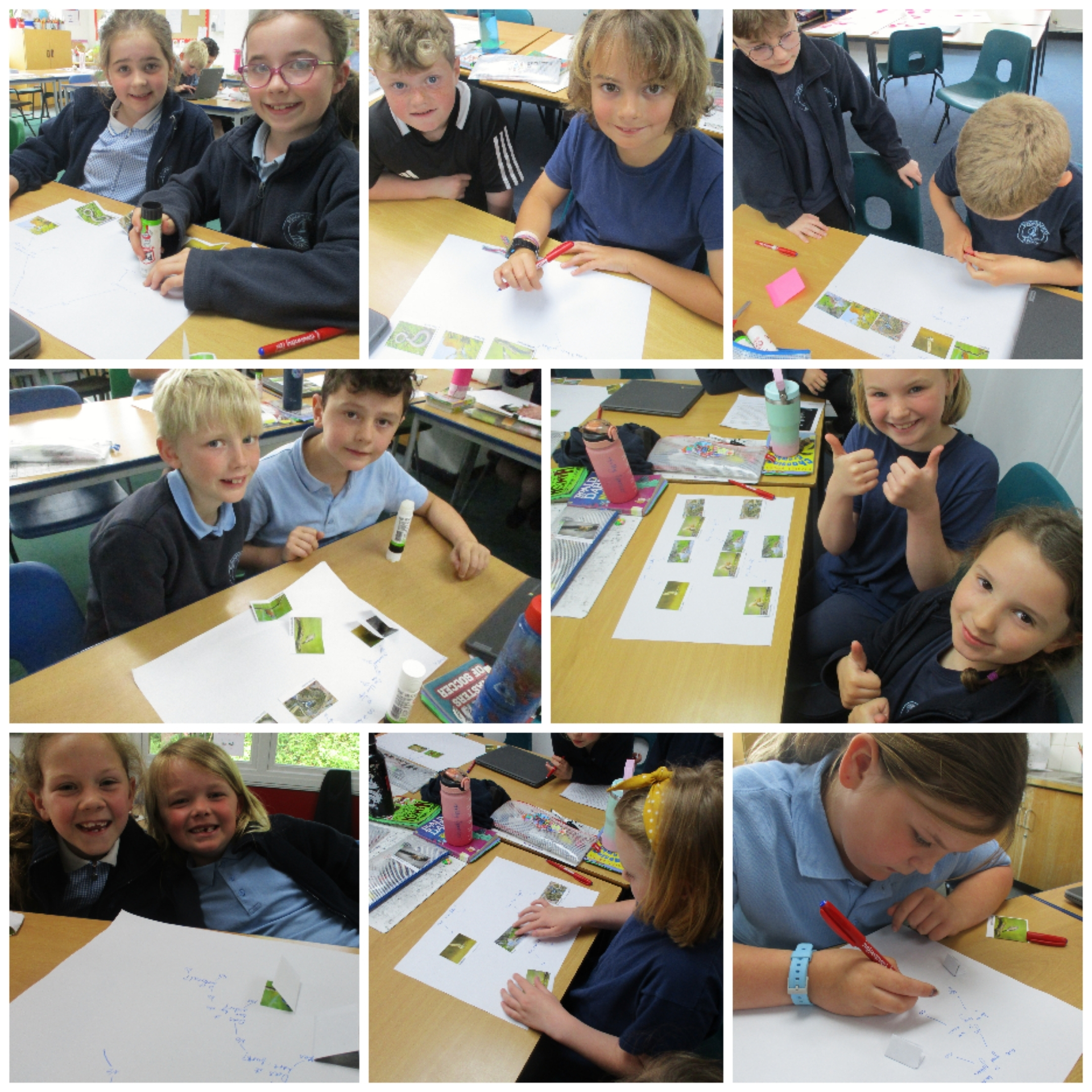
Working in pairs, the children compared different types images and maps of a section of a local river, to spot features such as estuary, confluence, meanders and tributaries. The activity encouraged teamwork, careful observation, and lots of brilliant geographical discussion and reasoning around whether it could be a specific feature. It was wonderful to see the children confidently applying map-reading skills and making connections with their classroom learning.
Well done. Fantastic geographers in the making!
Art - Printmaking
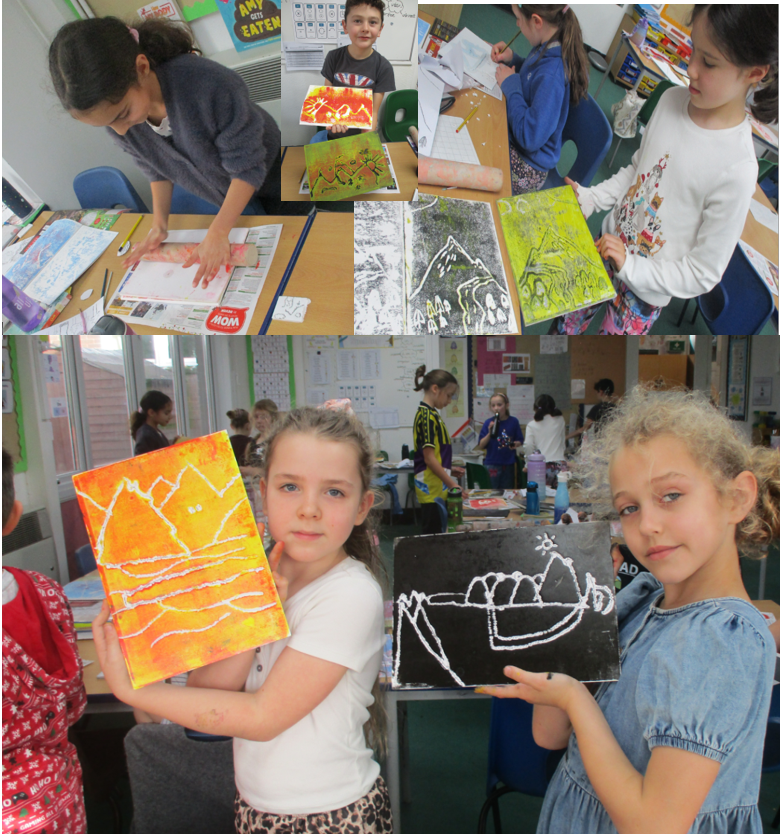
We began by experimenting with small repeated patterns—such as grass, pebbles, clouds, or shrubs—and tested how shallow or deep lines affected the outcome. We carved the designs we had planned and practiced in the previous lesson and created small stamps for added detail, practicing printing them in our sketchbooks. Next, we applied ink with rollers and considered how our shapes would repeat, which areas we wanted to stand out, and how to keep our designs clear and effective. It was a wonderful opportunity to experiment with tools, refine ideas, and see how simple lines can transform into bold, expressive prints.